

Precious Metals
HOW TO CLEAN DIAMOND JEWELRY: A STEP-BY-STEP GUIDE TO RESTORING SPARKLE SAFELY
A diamond cut is a key factor to consider when choosing your next piece of diamond jewelry.
By Chinwe, Chief Creative Officer
Everyday Care: How to Clean Diamond Jewelry Safely
Diamonds are forever—but their sparkle can be surprisingly fragile when dirt, skin oil, lotion and environmental grime build up. This long-form guide walks you through everything a jewelry lover — from first-time owners to seasoned collectors — needs to know about safe, effective cleaning. You’ll get a clear, step-by-step routine, science-backed reasons behind each technique, professional and at-home options, what to never do, and maintenance habits that keep brilliance long-term. Throughout the post the practical, actionable subtopics are:
Everyday Care: Quick daily and weekly rituals to protect your stones.
At-Home Cleaning Methods: Step-by-step safe household techniques.
Deep Clean & Ultrasonic Use: When (and when not) to use stronger tools.
Cleaning Different Settings & Metals: How settings and metals change the approach.
Professional Cleaning & Repairs: When to see a jeweler and what to expect.
Storage, Insurance & Long-Term Care: Protecting sparkle for years.
This guide also includes a recommended supply list, troubleshooting for stubborn problems, and links to reliable external resources. Ready? Let’s learn how to clean diamond jewelry the right way.
-
Sale!
Knot Ring – 18K Rose Gold
18K Rose Gold
£550 Select options This product has multiple variants. The options may be chosen on the product page -
Sale!
Love Ring – 18K White Gold
18K White Gold
£550 Select options This product has multiple variants. The options may be chosen on the product page -
Serene Ring – 18K White Gold 0.20ct
18K White Gold
£3,666 Select options This product has multiple variants. The options may be chosen on the product page
Everyday Care: Protecting Brilliance Before It Needs Aggressive Cleaning
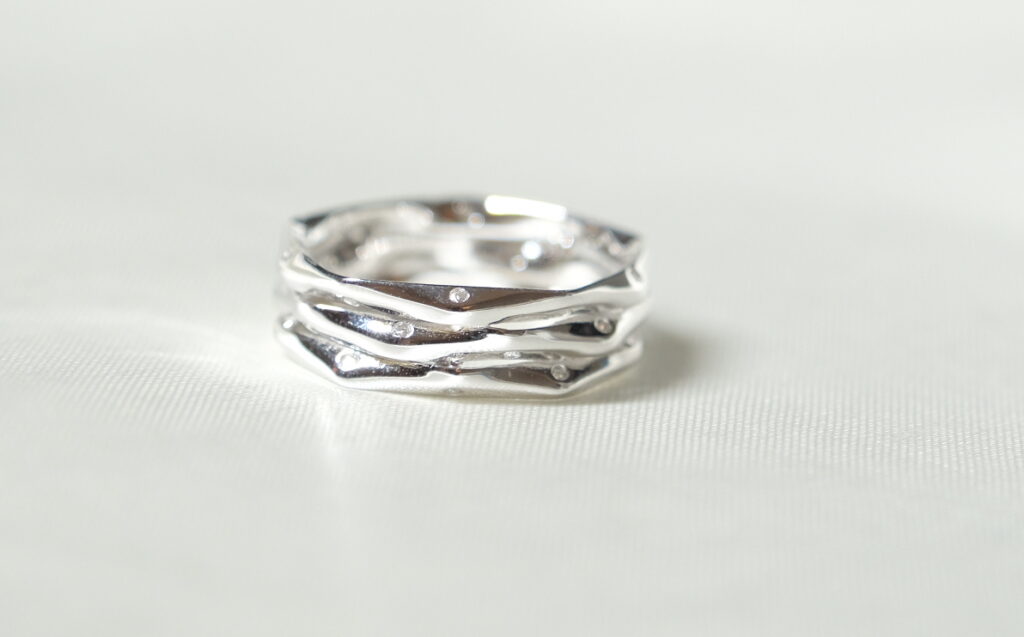
Daily habits are the unsung hero of diamond care. The single most effective thing you can do is reduce how fast a stone gathers buildup; the cleaner the surfaces stay, the less frequently you must deep-clean. To make this practical, think in three simple steps: remove, wipe, and wait.
First: remove. Whenever you’re applying lotion, perfume, hairspray, or sunscreen, take diamond pieces off first. These products leave fine films that attract dust and darken metal prongs. When you cook—especially frying—remove rings: oils and food particles can lodge beneath settings. After gardening or heavy manual work, store diamonds separately so grit doesn’t scratch metal.
Second: wipe. Keep a soft, lint-free cloth in your bag or at your sink. A quick wipe after wearing — especially on the underside of rings where oils collect — prevents buildup from becoming stubborn. A microfiber or cotton polishing cloth works well. If you glance down and a ring looks dull, a 30-second gentle rub often restores noticeable shine.
Third: wait. Avoid bathing or showering with delicate settings: soap scum can coat a stone and reduce its sparkle, and soaps with moisturizers are especially clingy. Also avoid hot tubs — chlorine and heat can degrade some settings and accelerate tarnish.
When you do need to clean more than a wipe, you’ll want to reach for mild, safe techniques. This is where knowing how to clean diamond jewelry at home matters: gentle detergents, soft brushes, and short soak times restore sparkle without harming prongs, settings, or joined stones. Keep a small emergency kit: a soft-bristled brush, mild dish soap, and a bowl of warm water reserved for jewelry use.
A note on frequency: for pieces you wear daily (engagement rings, wedding bands), aim for a gentle at-home cleaning every 1–2 weeks and a professional check/clean every 6–12 months. For occasional pieces, a monthly inspection and cleaning is enough. This proactive schedule minimizes the need for harsh treatments and helps you spot loose stones early.
Finally, log small damages. If you notice a tiny snag, a prong that looks wonky, or an unexplained dull spot that doesn’t respond to gentle cleaning, stop home treatments and consult a jeweler. Routine care is about prevention as much as restoration — and knowing when to pause and get professional help is part of learning how to clean diamond jewelry responsibly
At-Home Cleaning Methods: Safe, Step-by-Step Routines Anyone Can Follow
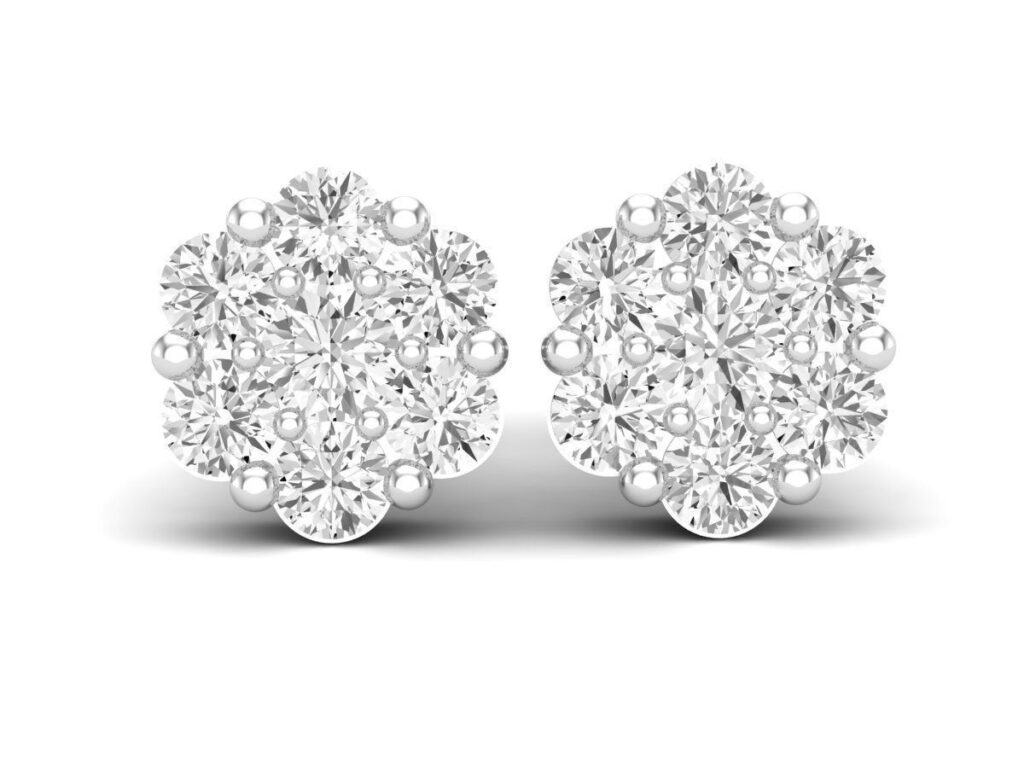
Most diamonds can be safely refreshed at home with items you already have. The key is gentle action, short soak times, and a soft brush. Below are three reliable at-home approaches organized by how delicate your piece is.
Method A — The Gentle Soak (best for most modern diamonds and sturdy settings)
Prepare: fill a small bowl with warm (not hot) water and add a few drops of mild dish soap.
Soak: place the jewelry in the bowl for 10–15 minutes. This loosens oils and surface grime.
Brush: using a soft-bristled toothbrush, gently brush under the stone, around prongs, and along the underside. Keep motions light and avoid forcing the brush where metal is thin.
Rinse: hold under warm running water (plug the drain!) or rinse in a separate bowl.
Dry: pat with a lint-free cloth and let air-dry on a soft towel.
Method B — The Baking Soda Rescue (for heavier tarnish on metal near diamonds; use sparingly)
Make a paste with baking soda and water.
Apply gently only to metal parts — avoid abrasive rubbing on the girdle or table of the diamond.
Rinse thoroughly and dry. Baking soda is mildly abrasive, so limit this method to occasional use for stubborn tarnish, not regular polishing.
Method C — The Ammonia Boost (occasional use; not for porous gemstones or plated metals)
Mix one part household ammonia to six parts warm water.
Soak for no more than 1–2 minutes.
Follow brushing and rinsing steps.
Ammonia can be very effective but should be used sparingly and never on delicate settings, treated stones, pearls or plated items.
Safety checklist before you begin any at-home routine:
Remove loose stones (do a wiggle test before cleaning). If a stone feels loose, stop and visit a jeweler.
Avoid ultrasonic cleaners at home unless you’re certain your piece is suitable (see next section).
Never boil jewelry. High heat can damage glued settings and some treatments.
Never use bleach or chlorine-based cleaners — they can discolor or weaken metal and settings.
After cleaning, inspect the piece with a jeweler’s loupe or magnifying glass. If residue remains in crevices, repeat a short soak, but beware of over-brushing; heaven-sent sparkle can erode if handled too aggressively. Mastering these straightforward steps is the most valuable part of learning how to clean diamond jewelry at home: clean results, minimal risk.
Deep Clean & Ultrasonic Use: Professional Tools, When to Use Them, and Cautions
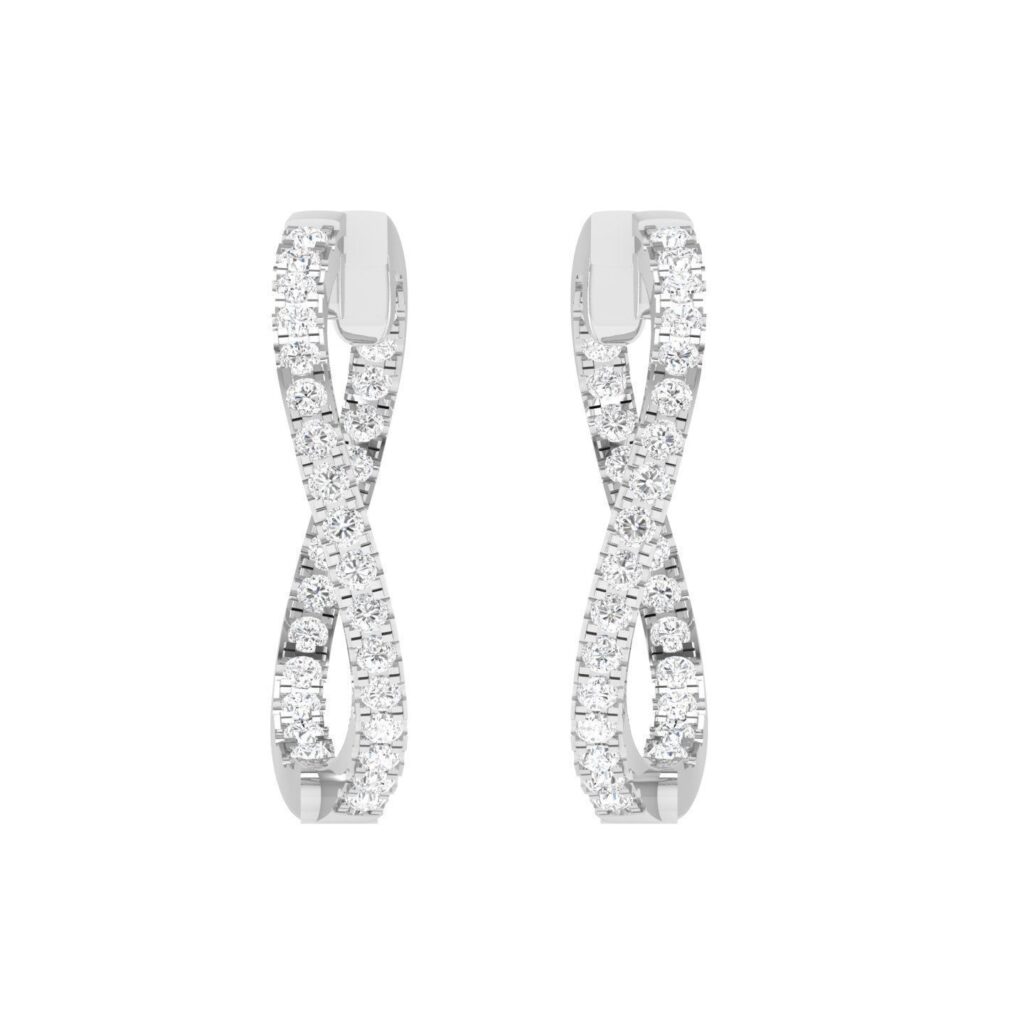
Ultrasonic cleaners and steam cleaners are powerful tools for removing embedded grime, but with power comes responsibility. An ultrasonic cleaner uses high-frequency sound waves to create microscopic bubbles that dislodge dirt. Steam cleaning uses high-pressure steam to remove oils and residues. Both are staples in professional shops — used correctly, they can rejuvenate a piece in minutes. Used incorrectly, they can dislodge stones or damage treatments.
When ultrasonic is appropriate:
Diamonds themselves are hard and typically tolerate ultrasonic cleaning well.
Pieces with solid metal settings (e.g., well-made platinum or gold with sturdy prongs) generally respond nicely.
Choose ultrasonic for items with significant buildup under settings that don’t respond to mild soaks.
When to avoid ultrasonic cleaners:
If a stone is loose or a prong is compromised. The vibration can loosen stones further or cause them to fall out.
If the piece contains included (fractured) diamonds with internal cracks — the action can exacerbate fractures.
When the jewelry includes other gemstones (opals, emeralds, pearls, or treated stones) that are sensitive to vibration, heat or moisture.
If your metal is plated (gold-plated or rhodium-plated) — ultrasonic can erode plating.
Steam cleaning: similar considerations apply. Steam works well to cut oils and restore shine quickly. But high heat and pressure can force cleaning solution into micro-cracks and loosen settings. Steam is best performed by professionals who can control pressure and inspect structural integrity first.
If you’re considering an ultrasonic for home use, read the manual and start with low-duration cycles and clean water. Better yet, bring treasured pieces to a reputable jeweler. A professional will often provide ultrasonic cleaning as part of a service that includes prong checks and polishing.
A practical pro tip: many jewelers combine ultrasonic cleaning with an automatic polishing and a final steam rinse, which yields show-room results. If your goal is to fully restore sparkle and you own a valuable or sentimental piece, investing in periodic professional ultrasonic or steam cleaning is often the safest route.
Finally, understand treatments. Diamonds marketed as laser-drilled, fracture-filled, or coated may react poorly to ultrasonic or steam. Always disclose treatments when consulting a jeweler and avoid home ultrasonic use on treated stones. Knowing when and how to use pro tools is crucial to properly clean diamond jewelry without unintended damage.
-
Empire Earring – 18K Sterling Silver
Sterling Silver
£434 Add to cart -
Flower Stud Diamond Earrings – 18K Gold – 1.7ct
18K Gold
£6,219 Add to cart -
Spun Link Necklace – 18K Gold
18K Gold
£4,844 Select options This product has multiple variants. The options may be chosen on the product page
Cleaning Different Settings & Metals: Tailoring Your Technique
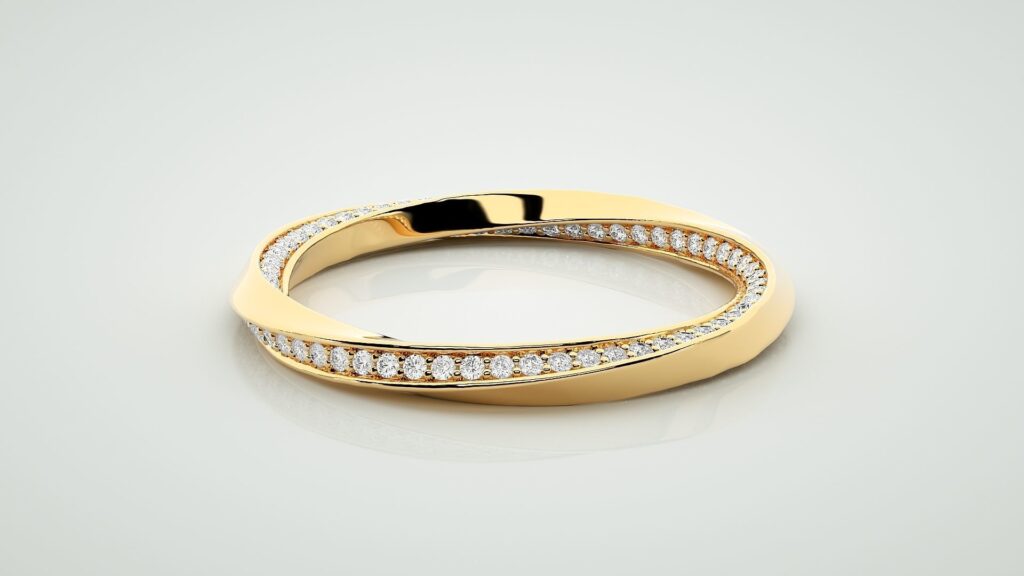
Not all settings are created equal. The cleaning method that works beautifully for a solitaire in a four-prong mounting might be a disaster for a pavé band, halo setting, or vintage filigree. Here’s how to adapt.
Prong settings (solitaires & classics):
These are forgiving but also expose stone girdles where oil accumulates. Gentle soaks with soft brushing under the stone restore brilliance. Check prongs afterward — if they feel raised or misshapen, consult a jeweler before further cleaning. Regular light cleaning reduces the need for aggressive abrasion that could wear prong metal over time.
Bezel and channel settings:
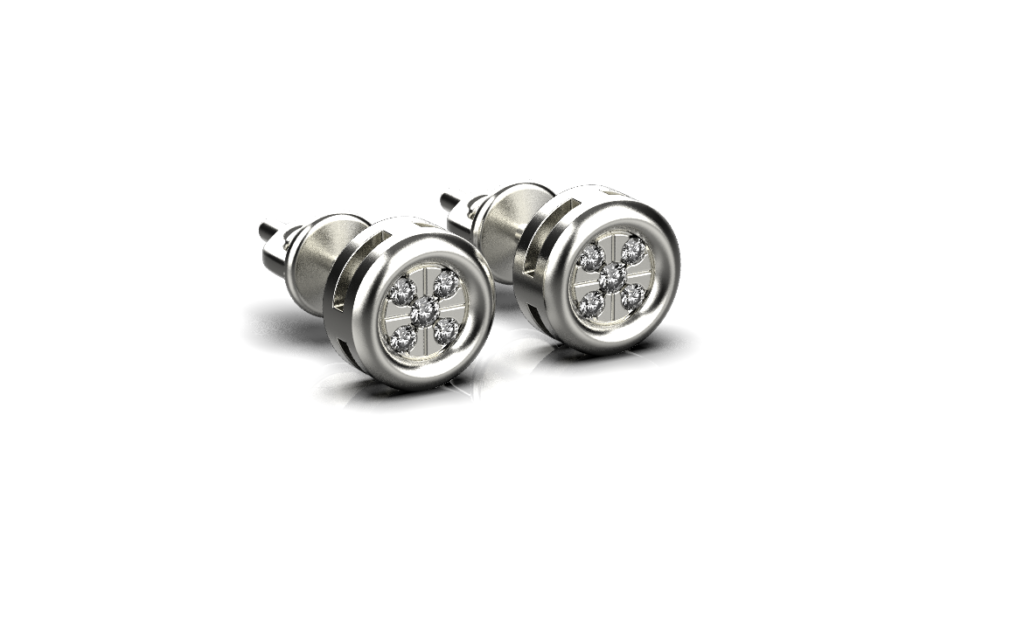
Bezel-set diamonds sit snug inside metal rims. Dirt often lodges at the rim-metal junction. A gentle soak and careful soft-brushing along the seam usually works. Avoid forced pressure that could pry the bezel. For channel settings that hold multiple diamonds, ensure every crevice is rinsed well — trapped water between stones can leave mineral residue.
Pavé, micro-pavé, and halo settings:
These contain many tiny stones set closely; they collect oils and grime between stones and are delicate. Avoid ultrasonic cleaning at home unless the jeweler confirms tight settings. Use a brief soak and ultra-gentle brushing, or better yet, professional cleaning. These styles are where you most need an occasional professional check-up to prevent stone loss.
Vintage & filigree pieces:
Older jewelry often has thinner metal and fragile solder points. Avoid abrasive pastes and high-powered cleaners. A mild soak and a soft brush, paired with a jeweler inspection, preserves both the diamond and the metalwork.
Different metals — different care:
Platinum: robust and resists corrosion; it accepts more vigorous brushing and professional polishing.
Yellow/white gold: durable, but rhodium-plated white gold should not be over-polished — plating wears away and needs re-rhodiuming.
Rose gold: tends to be softer; gentle handling recommended.
Sterling silver (often used in fashion settings with small diamonds): tarnishes and may require targeted polishing; avoid ultrasonic on mixed-metal fashion pieces.
Plated and mixed-metal jewelry poses special risks. When diamonds are set in plated bases or fashion jewelry, avoid soaking or abrasive cleaning—chemical reactions can strip plating or discolor metals.
By learning how to clean diamond jewelry per its setting and metal type, you protect both sparkle and structure. For complex settings, less aggressive home care plus regular professional maintenance is the winning strategy.
Professional Cleaning, Maintenance & Repairs: When to See a Jeweler
Knowing when to hand a piece to a professional is as important as knowing home techniques. Jewelers offer more than a shine: they inspect, tighten, repair, re-rhodium (for white gold), and replace worn prongs — all essential for long-term preservation.
Signs you need professional help:
A stone feels loose or shifts when touched.
A ring catches frequently on fabric, indicating a bent or worn prong.
You observe surface fractures or chips that don’t respond to cleaning.
Your piece has sentimental or high monetary value and you prefer preventative care.
What professionals do during service:
Inspection: loupe and microscope check for loose stones, thinning prongs, and structural weaknesses.
Ultrasonic/steam cleaning: deep cleansing under controlled conditions.
Polishing & finishing: re-rhodium plating for white gold, scratch removal for metals, and final buffing to showroom luster.
Repairs: prong rebuilding, soldering, stone resetting, and sometimes resizing.
Documentation: many reputable shops will photograph and provide a checklist of services and condition notes — handy for insurance.
How often to schedule pro care:
For everyday-worn pieces: a professional check every 6–12 months.
For occasional-wear or heirloom pieces: every 1–2 years, or if anything looks off.
After damage: immediately — fractures can worsen quickly.
Cost considerations: professional cleaning is often affordable; a standard cleaning and inspection may be complementary at many fine jewelry retailers if you purchased the piece there. More extensive repairs have variable costs — get a written estimate before work begins.
Insurance & appraisals: If your diamonds are valuable, keep recent appraisals on file and update them when you buy significant pieces or after substantial repairs/restorations. An up-to-date appraisal protects you in case of loss and helps guide proper restoration decisions.
Lastly, communicate treatments and history to the jeweler: were stones laser-drilled? Fracture-filled? Previously re-plated? Treatment history alters appropriate cleaning methods. A professional who knows your piece’s backstory will help you safely clean diamond jewelry without jeopardizing curated treatments.
-
Sale!
Arc Ring – 18K Gold 0.24ct
18K Gold
£2,605 Select options This product has multiple variants. The options may be chosen on the product page -
Loop Earrings – 18K White Gold- 1.026ct
18K White Gold
£4,960 Select options This product has multiple variants. The options may be chosen on the product page -
Oval Tied Fine Chain Necklace – 18K Yellow Gold, White Gold
18K Yellow Gold, White Gold
£4,298 Select options This product has multiple variants. The options may be chosen on the product page
Storage, Insurance & Long-Term Care: Habits That Keep Diamonds Brilliant for Generations
A piece’s longevity depends as much on how you store and protect it between wears as on active cleaning. Thoughtful storage prevents scratches, prong damage, and tarnish.
Smart storage rules:
Store pieces separately: diamonds can scratch softer gems and metals. Keep each piece in a fabric-lined box or individual pouch. Travel cases with separate compartments are ideal.
Keep in a dry, low-humidity environment: moisture speeds tarnish on silver and can affect certain clasps or solder joints. Silica packets in storage boxes help.
Avoid plastic bags long-term: they can trap moisture and may leach chemicals into metals over time.
Insurance & documentation:
Photograph pieces against neutral backgrounds, capture hallmark stamps, and store purchase receipts and appraisals in a secure digital folder plus a physical copy.
For valuable pieces, consider scheduled personal property insurance or a rider on home insurance. Accurate appraisals matter — update them every 3–5 years or after any substantial market changes.
Insurers may require proof of regular maintenance; keep records of professional cleanings and repairs.
Long-term care habits:
Rotate wear: don’t wear the same ring every day for years without periodic rest and inspection. Alternate pieces to reduce constant stress on any single setting.
Avoid chemicals: household cleaners, bleach, and even excessive chlorine at pools can erode metal and damage some settings over time.
Inspect frequently: a monthly visual check under good light for tiny chips, prong wear, or loose stones helps you catch problems early. If you have a loupe, make it part of your routine.
When handing down heirlooms: have them checked and, if needed, restored before gifting. Re-tipping worn prongs or re-setting faintly loose stones is an inexpensive preventive action that protects heirs from loss. Also disclose prior treatments or repairs to the new wearer.
Ultimately, understanding how to clean diamond jewelry is part of a broader stewardship — thoughtful storage, documentation, and scheduled professional care extend a piece’s life and preserve sentimental and monetary value.
-
Molten Necklace – 18K Yellow Gold, White Gold
18K Yellow Gold, White Gold
£7,891 Select options This product has multiple variants. The options may be chosen on the product page -
Serenity Band Ring – 18K Gold – 1.19ct
18K Gold
£3,191 Select options This product has multiple variants. The options may be chosen on the product page -
Trilogy Baguette Eternity Band Ring – 18K Gold – 0.74ct
18K Gold
£3,623 Select options This product has multiple variants. The options may be chosen on the product page
Keeping the Brilliance Alive — The Art of How to Clean Diamond Jewelry
Diamonds don’t lose their magic; they simply need the right care to keep dazzling. This guide gave you an actionable framework: adopt daily habits that prevent buildup, use safe at-home cleaning methods for routine maintenance, reserve ultrasonic or steam cleaning for professional contexts, tailor techniques to settings and metals, and rely on jewelers for checks, repairs and deeper restoration. Equally important are storage, documentation and insurance — these quiet systems protect value and ensure the piece remains wearable and worry-free across decades.
To recap: a simple weekly wipe and a monthly gentle soak restore most stones. Reserve harsher chemicals and aggressive abrasion for the pros, and treat vintage or delicate settings with extra caution. By combining attentive at-home rituals with periodic professional service, you’ll minimize risk and maximize lifetime sparkle.