
Filter by Type
Products
Filter by Product Brand
ODOZIAKUCHI
Filter by Product categories
18K Gold Jewellery
18K Rose Gold Jewellery
18K White Gold Jewellery
Aku
Arc
Bangles/Bracelets
Chain Bracelet
Cuff Bracelet
Diamond Bracelet
Hinged Bangles
Silver Bracelet
Broche
Children
Constellation
Curated
Diamonds & Gemstones
Earrings
18K Gold Earrings
Circular Earrings
Cuff Earrings
Hook Earrings
Hoop Earrings
Platinum Earrings
sterling silver ear cuff
Sterling Silver Earrings
Stud Earrings
White Gold Earrings
Ensemble
Diamond Chain
Girls Jewelry
Gold Bangles
Gold Hoop Earring
Kids Earrings
Men's Necklace
Platinum Chain
Rose Gold Earrings
Rose Gold Necklace
Silver Choker Necklace
Silver T Bar Necklace
Etincelle
Faith
For Her
For Him
Love Bubble
Necklaces
18K Gold Necklace
Chunky Necklaces
Dainty Necklaces
Diamond Necklace
Gold Chain
Linear Necklaces
Long Necklace
Occasional Necklaces
Platinum Necklace
Silver Necklace
Tennis Necklace
White Gold Necklace
Pendants
Diamond Pendant
Gold Pendant
Silver Pendant
Platinum 950
Rings
Diamond Rings
Engagement Rings
Gold Ring
Occasional Rings
Plain Rings
Platinum Rings
Silver Rings
Wedding Rings
White Gold Ring
Serendipity
Sterling Silver
White Gold Bracelet
Women's Silver Bracelets
Filter by Product Metal
18K Gold
18K Gold, Rose Gold
18K Rose Gold
18K Rose Gold plated Sterling Silver
18K Rose Gold, White Gold
18K White gold
18K White Gold, Gold
18K Yellow Gold, White Gold
Platinum 950
Sterling Silver
Precious Metals

SILVER NECKLACES EXPLAINED LIKE YOU’RE NOT A JEWELER: EVERYTHING YOU ACTUALLY NEED TO KNOW

A diamond cut is a key factor to consider when choosing your next piece of diamond jewelry.

By Chinwe, Chief Creative Officer
If you’ve ever bought silver necklaces and later wondered why one looks shiny forever while another turns dull in weeks, you’re not alone.

Silver jewelry is one of those things that looks simple on the surface but gets surprisingly technical once you dig in. Between “925 sterling,” tarnish, plating, chain types, and quality grades, most people end up confused or relying purely on aesthetics.

This guide breaks everything down in a way that actually makes sense, no jargon overload, no gatekeeping, just real knowledge about silver necklaces that helps you buy smarter, wear better, and maintain them like someone who knows what they’re doing.

What “Silver Necklaces” Actually Mean (Beyond the Marketing)

Let’s clear something up first: not all silver necklaces are made of pure silver.

Pure silver (99.9%) is too soft for everyday jewelry. It bends easily, scratches fast, and doesn’t hold structure well. That’s why most jewelry uses sterling silver, which is:

92.5% silver + 7.5% alloy metals (usually copper)

This is what you’ll often see stamped as “925” on silver jewelry.

According to the Gemological Institute of America (GIA), sterling silver is the standard for durability in fine jewelry because pure silver alone is too malleable for long-term wear.

Source: GIA Sterling Silver Guide

So when you hear silver necklaces, what you’re usually really getting is sterling silver unless stated otherwise.

Direct Sunlight and Humidity

Why Jewelers Don’t Just Use Pure Silver

Here’s a simple way to understand it:

A craftsman once explained it like this in a general industry principle:

“If silver were used in its pure form, it would behave more like clay than metal.”

That’s why alloys exist. They strengthen the structure so your silver necklaces don’t deform after a few wears.

Copper, the most common alloy mixed with silver, improves hardness but also introduces the one thing everyone hates—tarnish.

The Science Behind Tarnish (Why Your Silver Necklaces Turn Black)

This is where things get a bit technical—but stay with me.

Tarnish is not dirt. It’s a chemical reaction.

When silver reacts with sulfur-containing substances in the air (or even on your skin, perfumes, sweat, and pollution), it forms silver sulfide, which looks dark or black.

So when your silver necklaces start darkening, it’s not “fake silver”—it’s chemistry doing its thing.

A common jeweler explanation goes like this:

“Tarnish is proof your silver is real and reacting naturally with its environment.”

To slow this down:

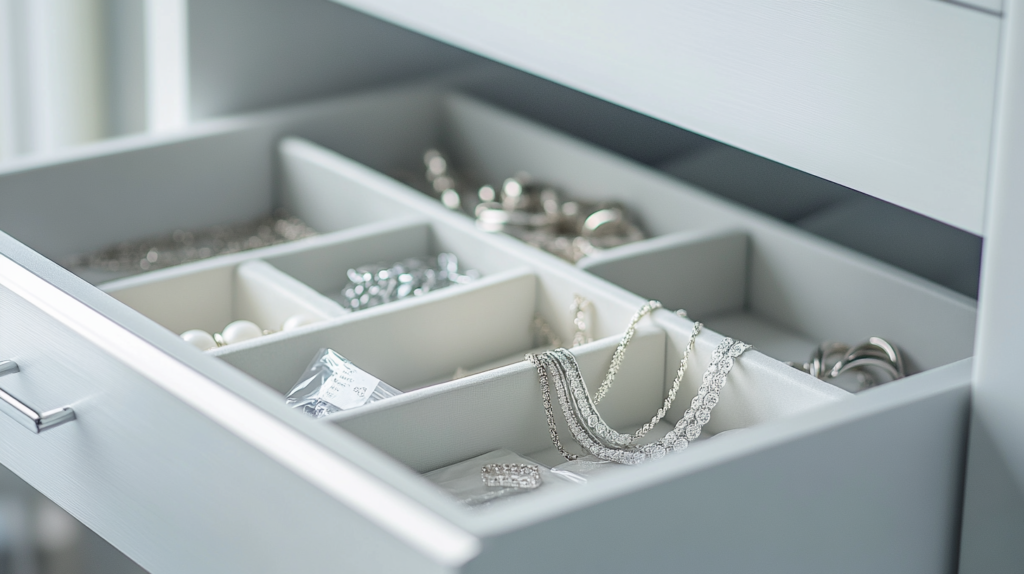
  • Store jewelry in airtight bags
  • Avoid moisture exposure
  • Remove before applying perfumes or lotion.

Types of Silver Necklaces You Should Actually Know

Not all silver necklaces are the same style-wise. The chain type affects strength, flexibility, and even how “luxurious” it looks.

1. Cable Chains

Simple oval links. Lightweight and common.
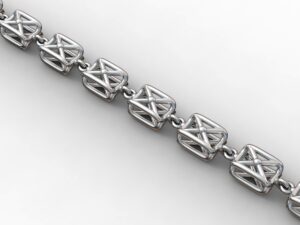
Alabaster Necklace- Sterling Silver

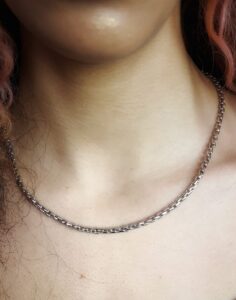
2. Rope Chains

Twisted structure that reflects light beautifully.
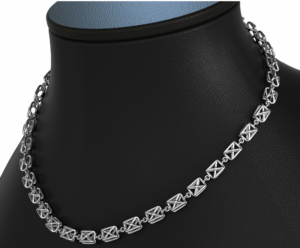
3. Box Chains

Square links. Strong and minimal.

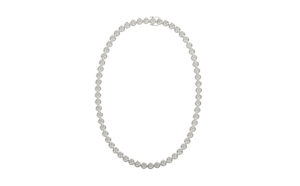
4. Figaro Chains

Patterned mix of long and short links.
Diamonds and Gemstones

5. Snake Chains

Smooth and fluid but more delicate.
Jewelry designers often say chain selection is not just aesthetic—it affects durability and comfort.

Sterling Silver vs “Silver-Plated” Necklaces (Big Difference)

This is where most buyers get tricked.

Sterling Silver:

  • Solid alloy throughout
  • Can be polished and repaired
  • Lasts years or decades

Silver-Plated:

  • Base metal (like copper or brass)
  • Thin silver coating
  • Wears off over time

Many cheap silver necklaces are plated, which is why they lose shine quickly.

As explained in jewelry manufacturing standards:

“Plating is a surface finish, not a structural material.”

So if you want longevity, always check for “925 sterling.” 

Why Some Silver Necklaces Feel Expensive (Even When They Aren’t)

This is one of those interesting perception tricks.

Three things affect how “luxurious” silver necklaces look:

  • Weight (heavier often feels higher quality)
  • Polish level (mirror finish vs matte)
  • Chain density (tight links feel premium)

Even a simple design can look expensive if these elements are right.

The Role of Craftsmanship (Why Handmade Pieces Stand Out)

Mass-produced jewelry is consistent but often lacks depth. Handmade silver necklaces usually have:

  • Slight imperfections (which add character)
  • Stronger soldering points
  • More detailed finishing

A common sentiment among artisans is:

“Machines replicate perfection; hands create personality.”

That’s why handcrafted pieces often feel more “alive” than factory-made ones.

Handcrafted Ring

How to Spot High-Quality Silver Necklaces (Quick Technical Checks)

Here’s what actually matters when buying:

1. Look for the stamp

“925” is your first sign.

2. Check magnet reaction

Silver is not magnetic.

3. Examine weight

Too light = likely plated or hollow.

4. Look at finishing

High-quality silver necklaces have smooth solder joints and no rough edges.

5. Ask about tarnish protection

Some brands apply anti-tarnish coatings.

Do Silver Necklaces Irritate Skin?

Generally, sterling silver is considered hypoallergenic. However:

  • People sensitive to copper may react slightly
  • Poor-quality alloys can cause irritation

The GIA notes that properly alloyed sterling silver is widely used in body jewelry due to its low reactivity compared to cheaper metals.

Source: GIA Jewelry Metals Overview

So if your silver necklaces cause irritation, it’s often a quality issue—not silver itself.

Forget harsh chemicals.

Try these safe methods:

Method 1: Soap + warm water

  • Gentle
  • Safe for regular cleaning

Method 2: Baking soda paste

  • Removes tarnish effectively
  • Use lightly to avoid scratching

Method 3: Silver polishing cloth

  • Best long-term maintenance tool

Jewelers often warn:

“Over-cleaning is just as damaging as neglect.”

So don’t overdo it.

Styling Silver Necklaces Without Trying Too Hard

This is where fashion meets function.

Minimal look:

Single thin chain

Layered look:

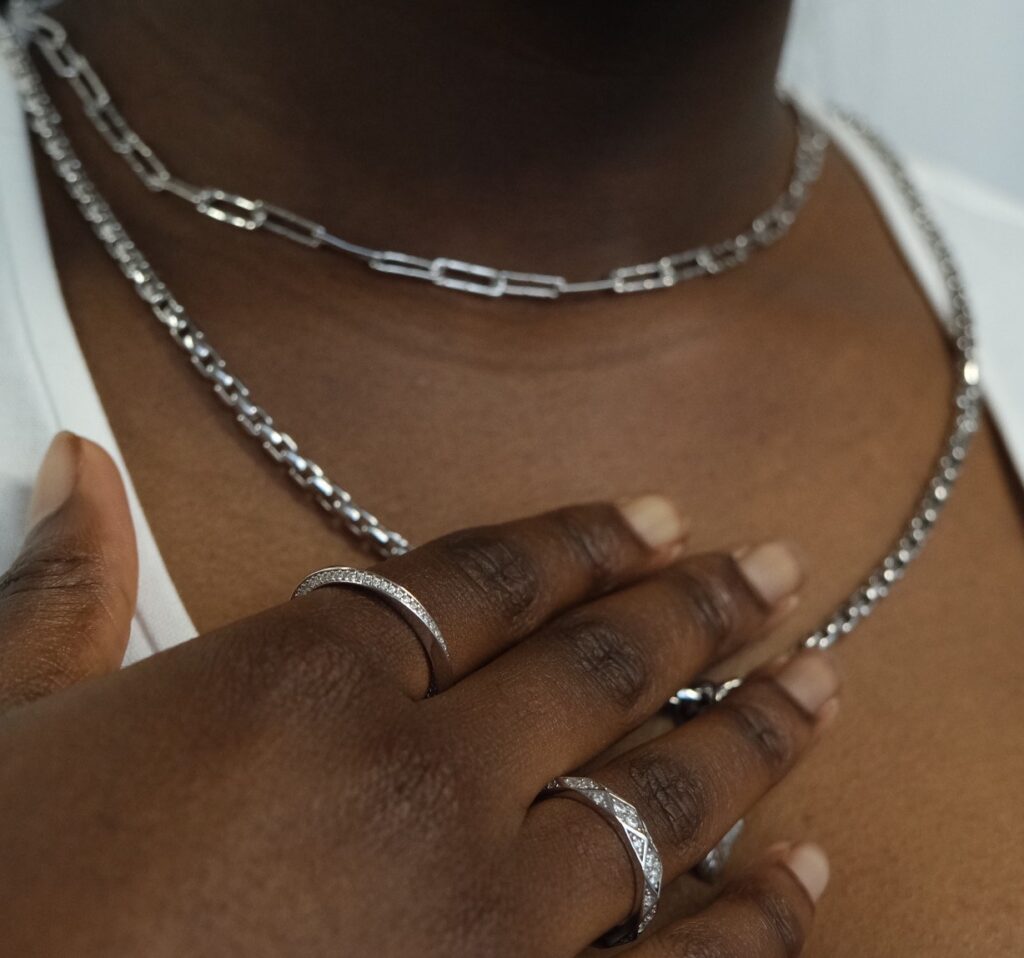
Mix 2–3 different chain lengths

Statement look:

Bold pendant or thick rope chain

Modern styling trend shows silver necklaces are no longer just accessories—they’re layering tools for personal expression.

Silver Necklace Layering

Why Silver Necklaces Are Trending Again

Three reasons:

  • Quiet luxury fashion movement
  • Minimalist styling trends
  • Gender-neutral jewelry rise

Unlike gold, silver feels more casual but still premium.

That balance is why silver necklaces are back in mainstream fashion conversations.

Maintenance Routine That Actually Works

To keep your silver necklaces in top condition:

  • Store separately
  • Wipe after wear
  • Avoid swimming or sweating in them
  • Polish monthly if worn often

Think of silver like skin, it reacts to environment, so care matters.

At the end of the day, silver necklaces are simple, but only if you understand what’s going on behind them.

Once you know how sterling silver works, why tarnish happens, and what separates plated from real silver, you stop buying blindly and start choosing intentionally.

And that’s really the difference between just owning jewelry… and understanding it.

RELATED POSTS

YOU MIGHT LIKE

0
    0
    Your Cart
    Your cart is emptyReturn to Shop