

Precious Metals
IS YOUR FINE JEWELRY COLLECTION READY? INVESTMENT PIECES TO BUY NOW
A diamond cut is a key factor to consider when choosing your next piece of diamond jewelry.
By Chinwe, Chief Creative Officer
The landscape of luxury has shifted. What was once the exclusive domain of inherited wealth and dynastic treasure vaults has evolved into something far more accessible—yet infinitely more strategic. Building a fine jewelry collection is no longer simply about adorning yourself with beautiful objects or signaling status at social gatherings. Today’s discerning collectors understand that exceptional jewelry represents one of the most elegant forms of tangible asset diversification available, combining aesthetic pleasure with genuine wealth preservation in an increasingly volatile economic climate.
The democratization of luxury through direct-to-consumer brands, the transparency of auction results broadcast globally, and the rise of jewelry literacy fueled by social media have fundamentally altered how we approach fine jewelry collection building. Yet this accessibility brings new challenges: How do you distinguish investment-grade pieces from beautifully marketed retail jewelry? Which categories will appreciate versus depreciate? When should you buy vintage versus contemporary? And most critically—how do you build a fine jewelry collection that reflects your personal aesthetic while functioning as a sophisticated component of your wealth-building strategy?
The answers lie at the intersection of connoisseurship and portfolio management. A truly investment-worthy fine jewelry collection is built on quality over quantity, timeless design over trend-chasing, and strategic acquisition over impulse purchasing. It requires understanding market dynamics, recognizing craftsmanship excellence, and developing the patience to wait for exceptional pieces rather than accumulating merely good ones. Whether you’re acquiring your first signature diamond or adding a museum-quality signed piece to an established collection, the principles remain constant: buy the best you can afford, prioritize pieces with documented provenance, and curate with both passion and financial intelligence.
This guide will equip you with the frameworks, market intelligence, and category-specific expertise needed to build a fine jewelry collection that appreciates in both monetary value and personal meaning—transforming you from casual jewelry buyer to intentional collector.
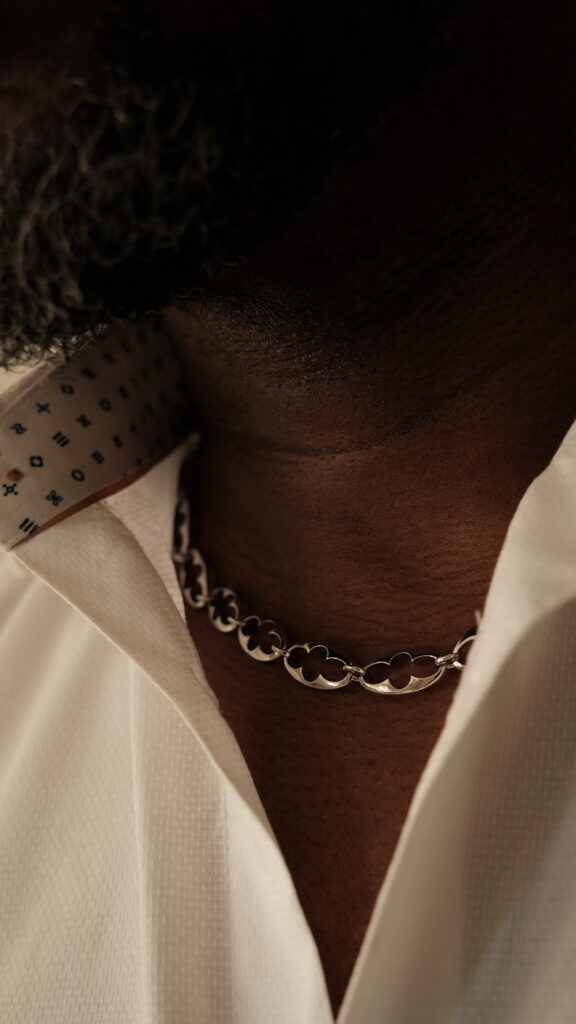
What Defines a True Fine Jewelry Collection
The distinction between owning jewelry and curating a fine jewelry collection is profound. Accumulation happens passively—trend purchases, impulse buys, gifts without strategic consideration. Curation, by contrast, is active and intentional. It requires understanding the difference between costume jewelry and investment pieces, between fashion moments and timeless anchors, between pieces that lose value the moment you leave the boutique and those that appreciate over decades.
A genuine fine jewelry collection is built on three foundational pillars:
Quality materials and craftsmanship. Investment-grade pieces feature precious metals of substantial purity (18k gold minimum, platinum, or fine silver), natural gemstones rather than lab-created alternatives for investment purposes, and exceptional artisanship evidenced in setting security, finish quality, and structural integrity. The difference is tactile—heft, precision, the way light moves through a properly cut stone.
Timeless design and versatility. While personal style should guide your acquisitions, pieces that transcend trend cycles offer superior value retention. Classic solitaire settings, architectural designs rooted in historic jewelry movements, and versatile pieces that transition from boardroom to evening wear maximize both wearability and investment return. The pieces you reach for repeatedly are the ones that prove their worth.
Documented provenance and authenticity. In serious collecting, documentation is everything. GIA certificates for diamonds, AGL or Gübelin reports for colored gemstones, original receipts, box and papers for signed pieces—these aren’t merely nice to have. They’re essential for insurance, resale, and authentication. A fine jewelry collection without proper documentation is a collection that will struggle in secondary markets and leave heirs with valuation challenges.
Understanding these fundamentals separates collectors from casual buyers and ensures every acquisition strengthens rather than dilutes your collection’s overall investment thesis.
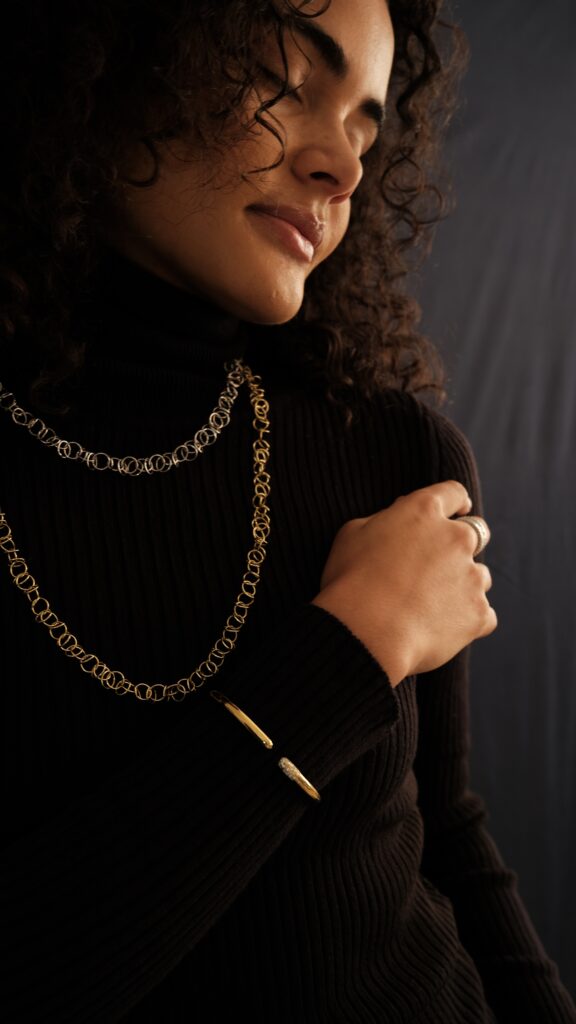
-
Basket Ring – 18K Gold, White Gold
18K Yellow Gold, White Gold
£2,344 Select options This product has multiple variants. The options may be chosen on the product page -
Constellation Bracelet – Platinum
Platinum 950
£22,661 Select options This product has multiple variants. The options may be chosen on the product page -
Oval Tied Fine Chain Necklace – 18K Gold
18K Gold
£4,298 Select options This product has multiple variants. The options may be chosen on the product page
The macro-economic environment of 2025-2026 has made tangible assets increasingly attractive to wealth-conscious individuals. With inflation concerns, currency volatility, and equity market uncertainty, hard assets offer reassuring stability. Unlike stocks that can evaporate overnight or real estate requiring substantial capital and liquidity constraints, a thoughtfully assembled fine jewelry collection provides portable, enjoyable wealth that can be worn, insured, and eventually transferred to future generations.
Several market forces converge to make now an opportune moment for fine jewelry collection building:
Supply constraints in key categories. Colombian emerald production has declined. Kashmir sapphire availability remains microscopic. Burmese ruby sources face geopolitical complications. These supply dynamics create appreciation pressure for existing stones, benefiting collectors who acquire investment-grade colored gemstones before prices climb further.
Estate jewelry arbitrage opportunities. The generational wealth transfer currently underway has flooded the estate market with exceptional pieces, often from sellers who don’t fully understand their value. Savvy collectors can acquire Art Deco masterpieces and mid-century signed pieces at fractions of replacement cost, representing one of the most compelling value propositions in luxury collecting today.
Natural diamond value stabilization post-lab-grown disruption. While lab-grown diamonds have claimed market share in bridal and fashion jewelry, investment-grade natural diamonds (particularly those above two carats with excellent specifications) have demonstrated pricing resilience. The distinction between industrial and investment-grade has never been clearer, creating opportunities for informed buyers.
Jewelry as visible wealth signaling in digital spaces. Social media has transformed jewelry from private pleasure to public statement. This visibility has increased jewelry literacy among younger luxury consumers while driving demand for distinctive, photographable pieces. For collectors, this translates to stronger secondary markets and broader buyer pools when eventual resale occurs.
These factors combine to make fine jewelry collection building not merely aesthetically rewarding but financially strategic—a rare convergence of passion and prudent asset allocation.
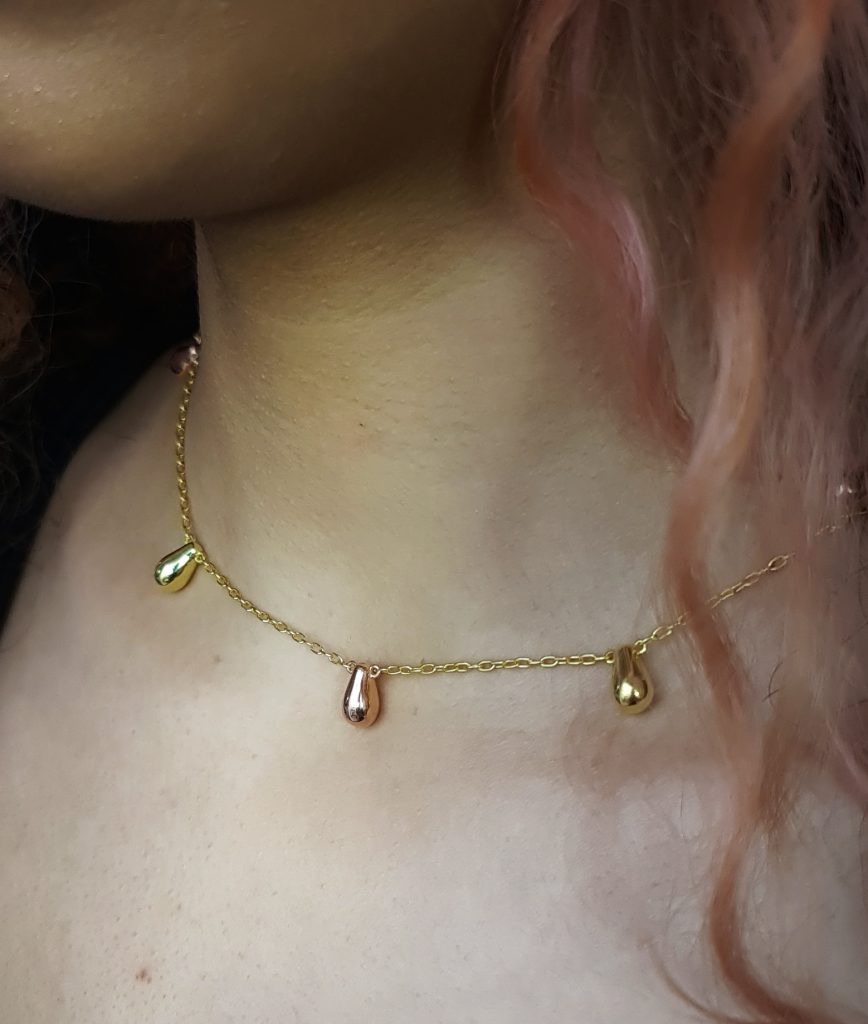
The 70-20-10 Fine Jewelry Collection Strategy
Before exploring specific investment categories, establish a strategic framework for acquisition. The most successful collectors follow what might be called the 70-20-10 rule for fine jewelry collection composition:
70% should be timeless investment classics. These are the museum-quality anchors—exceptional diamonds, Big Three colored gemstones (sapphire, emerald, ruby), substantial gold pieces, and investment-grade pearls. These pieces from established categories with century-long track records of value retention form your collection’s financial foundation. They may not be the most exciting acquisitions, but they’re the most reliable.
20% should be personal passion pieces. These acquisitions privilege your aesthetic preferences over pure investment logic. Perhaps you’re drawn to Victorian mourning jewelry despite its niche market, or you love alexandrite despite its more limited appreciation history. These pieces make your fine jewelry collection distinctly yours rather than a generic aggregation of conventional wisdom. They’re the pieces that bring daily joy even if they don’t maximize ROI.
10% can be emerging designer work and calculated risks. Supporting living artisans, betting on contemporary designers before museum recognition, or acquiring unconventional materials represents the speculative portion of your portfolio. Most won’t become the next Belperron or Schlumberger, but the few that do can dramatically outperform traditional categories. This portion keeps your collection dynamic and prevents it from becoming a static archive.
This framework prevents over-concentration in any single category while ensuring your fine jewelry collection balances investment security with personal expression and growth potentBefore exploring specific investment categories, establish a strategic framework for acquisition. The most successful collectors follow what might be called the 70-20-10 rule for fine jewelry collection composition:
70% should be timeless investment classics. These are the museum-quality anchors—exceptional diamonds, Big Three colored gemstones (sapphire, emerald, ruby), substantial gold pieces, and investment-grade pearls. These pieces from established categories with century-long track records of value retention form your collection’s financial foundation. They may not be the most exciting acquisitions, but they’re the most reliable.
20% should be personal passion pieces. These acquisitions privilege your aesthetic preferences over pure investment logic. Perhaps you’re drawn to Victorian mourning jewelry despite its niche market, or you love alexandrite despite its more limited appreciation history. These pieces make your fine jewelry collection distinctly yours rather than a generic aggregation of conventional wisdom. They’re the pieces that bring daily joy even if they don’t maximize ROI.
10% can be emerging designer work and calculated risks. Supporting living artisans, betting on contemporary designers before museum recognition, or acquiring unconventional materials represents the speculative portion of your portfolio. Most won’t become the next Belperron or Schlumberger, but the few that do can dramatically outperform traditional categories. This portion keeps your collection dynamic and prevents it from becoming a static archive.
This framework prevents over-concentration in any single category while ensuring your fine jewelry collection balances investment security with personal expression and growth potential.ial.
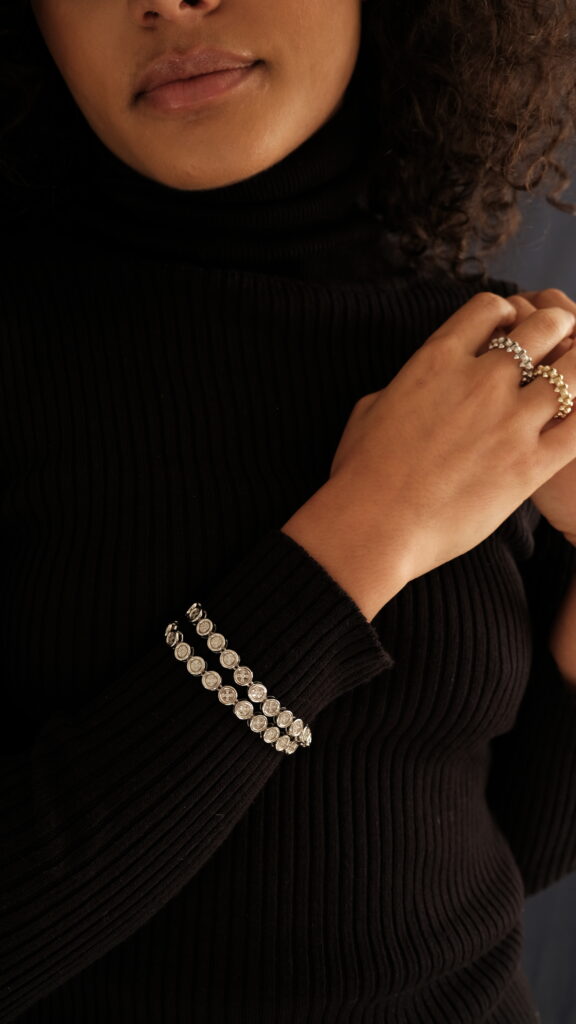
1. The Statement Diamond Piece: Your Collection's Cornerstone
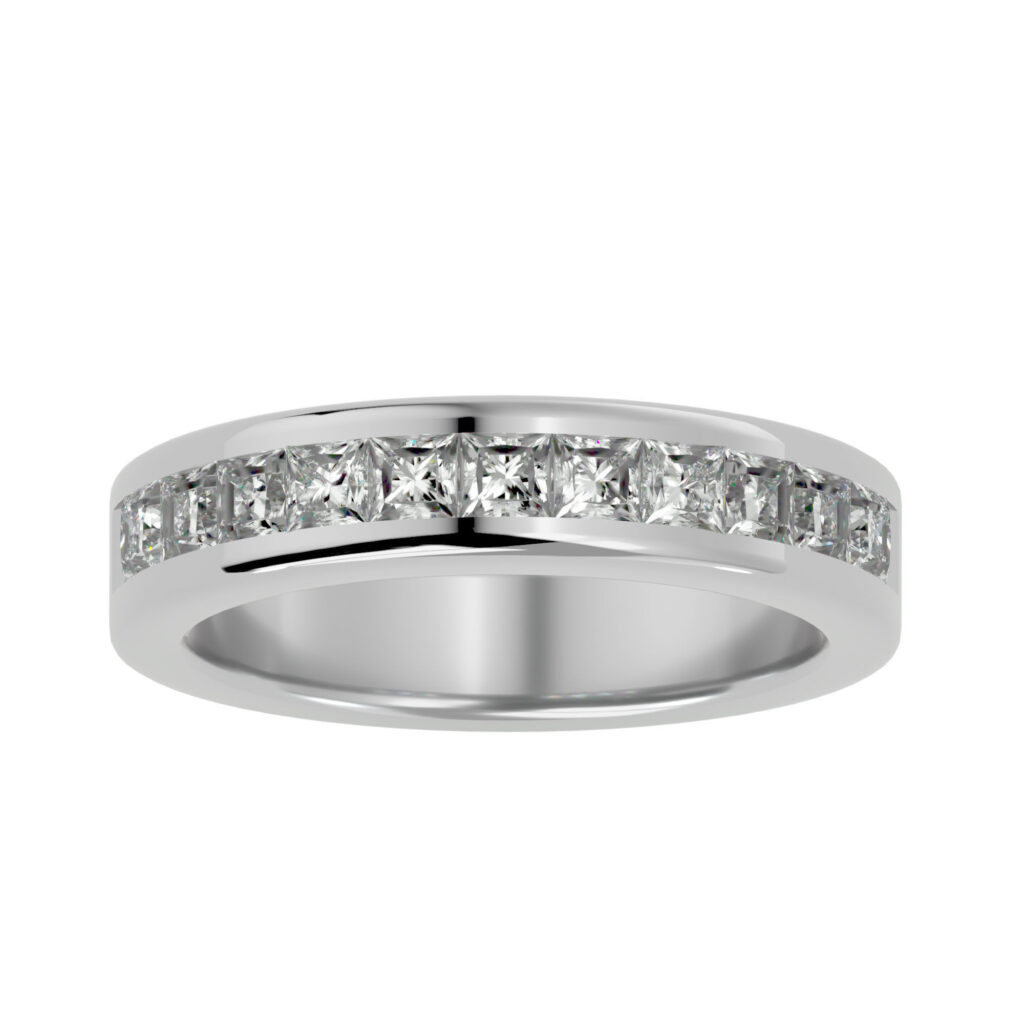
No serious fine jewelry collection is complete without at least one investment-grade diamond piece. Despite shifting trends and lab-grown competition, natural diamonds remain the most liquid, globally recognized, and historically proven category in fine jewelry investment.
Why natural diamonds anchor serious collections. Diamonds offer unparalleled liquidity—they can be sold through auction houses, estate buyers, or directly to consumers worldwide. Their value is standardized through the 4Cs framework (cut, color, clarity, carat weight), creating price transparency absent in many colored gemstone categories. And critically, investment-grade natural diamonds have demonstrated consistent appreciation over decades, particularly in sizes above two carats.
Investment specifications to prioritize. For maximum value retention, focus on diamonds graded by GIA (Gemological Institute of America) with the following parameters: color grades D through G (colorless to near-colorless), clarity grades VS2 or better (very slight inclusions), excellent or ideal cut grades, and carat weights at or above full-carat thresholds (1.00ct, 2.00ct, 3.00ct) where psychological pricing premiums occur.
Classic settings that transcend trends. A four-prong or six-prong solitaire necklace in platinum or 18k white gold represents timeless elegance that won’t date. Tennis bracelets in graduated or uniform sizing offer remarkable versatility. Diamond stud earrings in sizes from one to three carats total weight become wardrobe workhorses worn for decades. Avoid overly trendy settings, halo designs that may appear dated, or delicate pavé that requires frequent maintenance.
Market timing considerations for 2025-2026. Natural diamond prices stabilized in 2024 after lab-grown disruption, with investment-grade stones above two carats showing renewed strength. Auction results suggest selective buying opportunities, particularly in estate pieces where seller motivation outweighs market knowledge. For your fine jewelry collection, this stabilization period represents opportune entry timing before potential appreciation resumes.
Consider beginning your diamond investments with a 2-3 carat solitaire pendant or 1.5 carat stud earrings—pieces substantial enough to be investment-grade yet versatile enough for regular wear. These become the foundational pieces around which the rest of your fine jewelry collection orbits.
-
Asscher Cut Ring 18K White Gold- 0.20ct
18K White Gold
£4,025 Select options This product has multiple variants. The options may be chosen on the product page -
Choupette Ring 2.6ct – Platinum
Platinum 950
£4,543 Select options This product has multiple variants. The options may be chosen on the product page -
Round Brilliant Cut Wedding Engagement Ring – Platinum – 1.29ct
Platinum 950
£11,058 Select options This product has multiple variants. The options may be chosen on the product page
While diamonds command respect, colored gemstones increasingly capture collector passion and investment returns. Sapphires, emeralds, and rubies—the traditional Big Three—have demonstrated appreciation rates that often exceed diamonds, particularly for stones with premium provenance and minimal treatment.
Provenance matters enormously. Kashmir sapphires command multiples over equivalently sized sapphires from other origins. Colombian emeralds outprice Zambian stones. Burmese rubies achieve prices vastly exceeding Thai or African material. For serious collectors, origin certificates from Gübelin, SSEF, or AGL are non-negotiable—they’re the difference between investment-grade and retail-grade acquisitions.
Treatment disclosure dramatically affects value. Unheated sapphires and rubies command 30-50% premiums over heated equivalents. Every colored gemstone in your fine jewelry collection should have laboratory documentation of any treatments. Beyond the Big Three, Paraíba tourmaline, fine spinel, and tsavorite garnet merit attention from forward-thinking collectors.
For sapphires and rubies, prioritize stones above three carats with vivid saturation. For emeralds, accept that minor inclusions are inherent, but insist on strong color saturation and transparency. A single exceptional five-carat sapphire with Kashmir or Burmese origin will outperform five one-carat commercial stones in any serious fine jewelry collection.
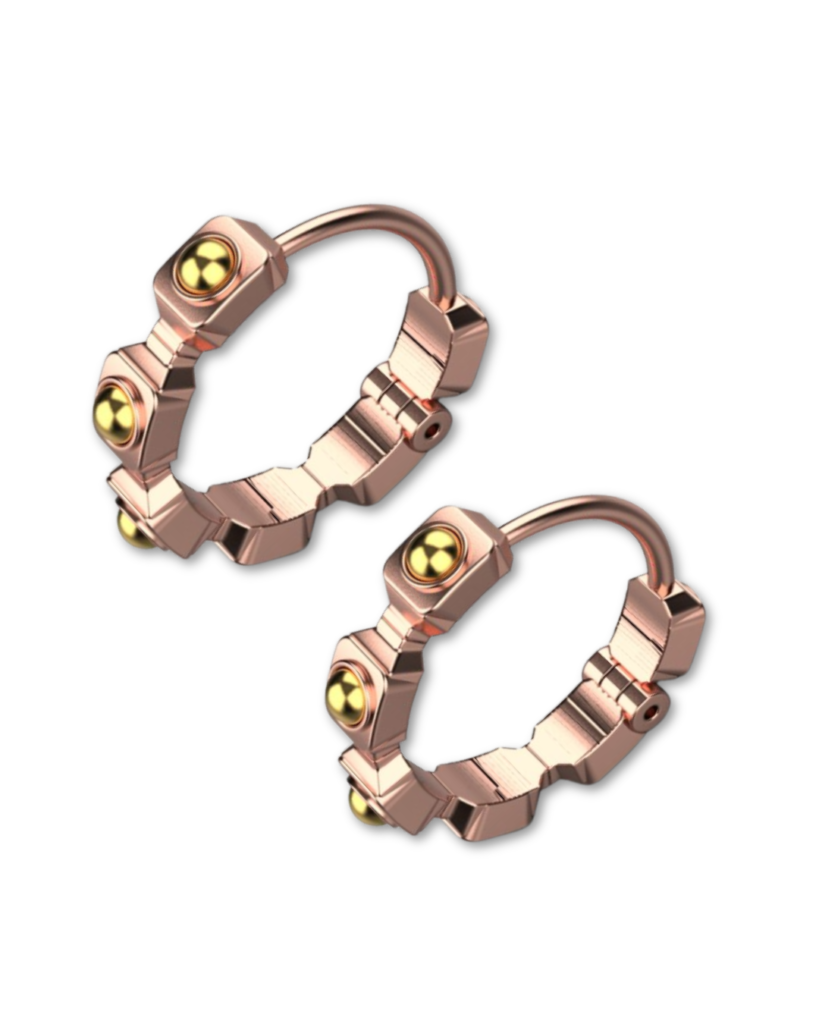
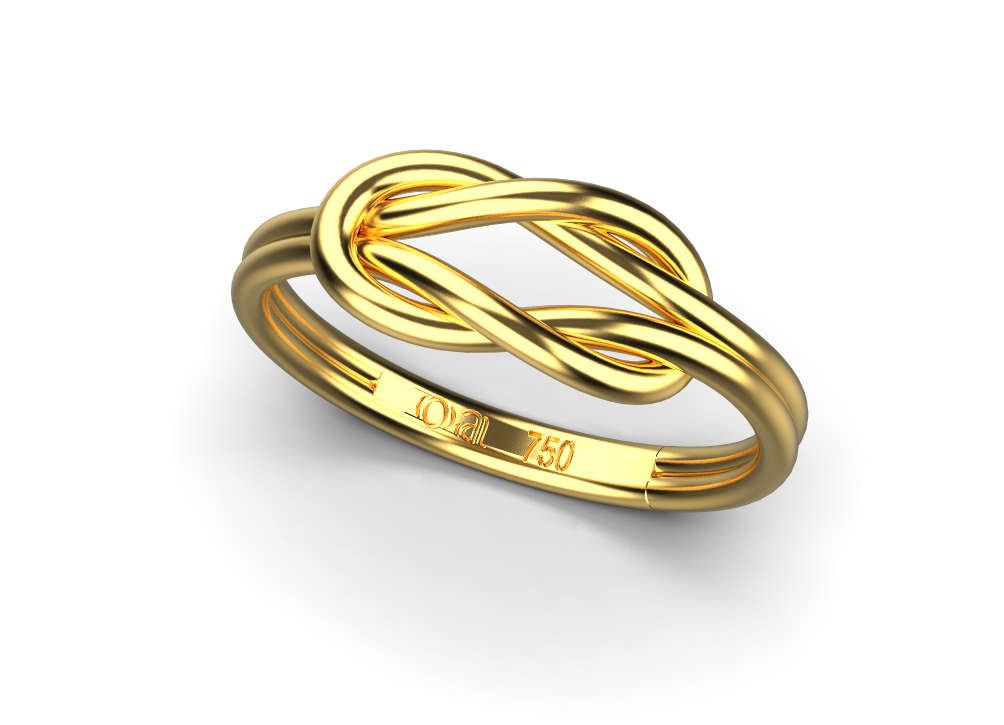
Every sophisticated fine jewelry collection requires significant gold pieces—not delicate chains that snap, but substantial, investment-weight pieces that function simultaneously as wearable art and portable wealth. An 18k yellow gold cuff bracelet or substantial link chain provides inflation hedging, metal value appreciation, and aesthetic pleasure.
In Western markets, 18k gold (75% pure gold) represents the optimal balance—sufficient purity for investment value with enough alloy content for durability. When evaluating gold pieces for your fine jewelry collection, inquire about gram weight. Investment-grade gold jewelry should feel substantial. As a general threshold, seek gold pieces weighing at least 30-40 grams for bracelets, 50-70 grams for necklaces, and 15-25 grams for rings.
Certain signed gold pieces have demonstrated remarkable value retention: the Cartier Love bracelet, Van Cleef & Arpels Alhambra motifs, Tiffany T collections, and Bulgari Serpenti designs. While you pay brand premiums initially, these pieces offer superior liquidity and often appreciate beyond gold melt value due to design recognition and collector demand.
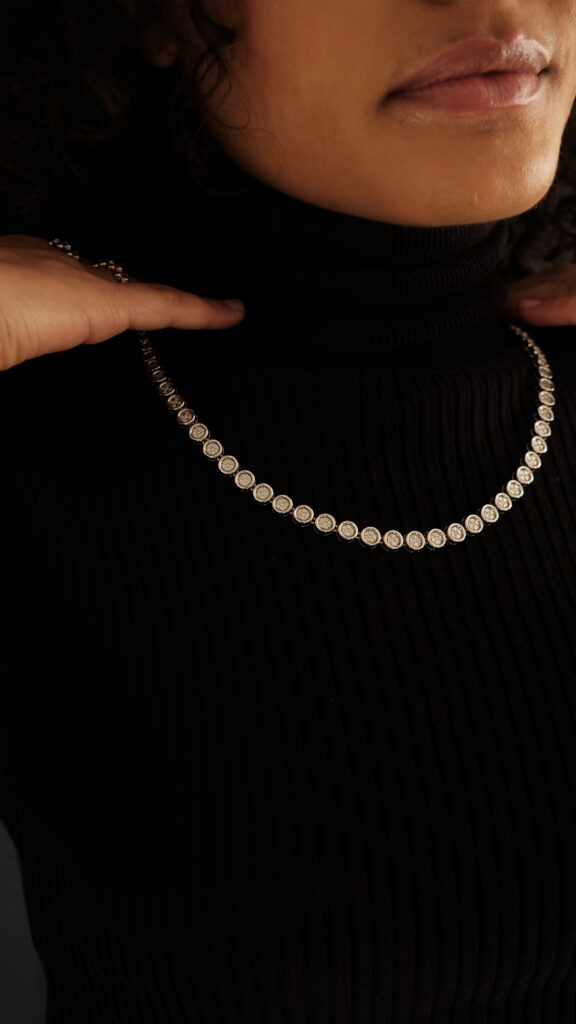
Natural pearls are experiencing a remarkable renaissance among serious collectors. Unlike commercial freshwater or low-quality Akoya pearls flooding retail markets, investment-grade pearls—South Sea, Tahitian, or exceptional Japanese Akoya—represent genuine rarity. A strand of matched 14-16mm South Sea pearls requires years to culture and months to assemble, with rejection rates exceeding 90% for the finest specimens.
For South Sea pearls, prioritize sizes 12mm and above with exceptional luster, minimal surface blemishes, and tight matching. For Tahitian pearls, seek sizes 11mm and above with strong overtones. For Akoya pearls, the finest specimens come from Japan in sizes 8-9mm with pink overtones and flawless luster. Your fine jewelry collection benefits most from a single exceptional strand rather than multiple mediocre examples.
The estate market offers exceptional value for pearl collectors, as many inheritors don’t recognize quality pearls. Art Deco-era pearl strands and mid-century South Sea strands appear regularly at estate sales and auctions, often at fractions of replacement cost. Pearls require specific care: regular wear (skin oils benefit luster), separate storage, restringing every 2-3 years if worn frequently, and gentle cleaning.
-
Cluster Stud Diamond Earrings-18K White Gold-1.7ct
18K White Gold
£4,880 Add to cart -
Linear Diamond Tip Bracelet 0.43ct – 18K Rose Gold
18K Rose Gold
£13,655 Select options This product has multiple variants. The options may be chosen on the product page -
Mosaïque Bracelet – Sterling Silver
Sterling Silver
£451 Select options This product has multiple variants. The options may be chosen on the product page
5. Heritage House Investments: When Brand Provenance Matters
Certain signed pieces from heritage jewelry houses represent genuine investment opportunities for a fine jewelry collection. Cartier, Van Cleef & Arpels, and Harry Winston demonstrate consistent secondary market performance, often achieving 60-80% of original retail prices (remarkable in jewelry markets where 40-50% is typical).
Within heritage houses, certain categories demonstrate superior investment characteristics. Cartier Love bracelets and Juste un Clou designs have become modern classics with robust secondary markets. Van Cleef & Arpels Alhambra pieces (particularly vintage examples and hard stone versions) appreciate steadily. Harry Winston diamond pieces benefit from the house’s reputation for exceptional stones.
Signed pieces must include complete documentation: original receipts, certificates of authenticity, serial number documentation, and original boxes. In secondary markets, these elements can represent 20-30% of item value. Never add a signed piece to your fine jewelry collection without complete documentation—it dramatically impairs resale potential.
6. Estate and Vintage: Superior Craftsmanship at Depreciated Prices
Perhaps no category offers more compelling value for fine jewelry collection builders than estate and vintage pieces. Vintage jewelry was often made with greater metal weight, larger stones, and more intensive handwork than contemporary equivalents—simple economics when labor costs were lower and materials relatively more abundant.
Art Deco (1920s-1930s) remains the most sought-after period, with geometric designs, bold colored gemstone combinations, and platinum craftsmanship commanding premium prices. Edwardian pieces featuring delicate platinum filigree and rose-cut diamonds appeal to collectors favoring romantic femininity.
Auction houses (Christie’s, Sotheby’s, Bonhams) offer authenticated pieces with condition reports and provenance. Estate sales, particularly those handled by non-specialist auctioneers, can yield extraordinary bargains when jewelry gets overlooked. Before adding significant vintage pieces to your fine jewelry collection, invest in independent appraisal from jewelry historians or certified gemologists familiar with antique jewelry. The cost (typically $150-300 per piece) is minimal insurance against costly authentication errors.
-
Diamond Hoop Earrings – Platinum – 1.24ct
Platinum 950
£2,067 Add to cart -
Flat T Chain Necklace – 18K Vermeil Gold
Sterling Silver
£864 Select options This product has multiple variants. The options may be chosen on the product page -
Micro Pave Necklace – Platinum – 2.74ct
Platinum 950
£13,393 Select options This product has multiple variants. The options may be chosen on the product page
7. Contemporary Designers: Strategic Speculation
While the majority of a serious fine jewelry collection should emphasize proven categories, allocating a portion to emerging contemporary designers serves multiple purposes: supporting living artisans, acquiring distinctive pieces before broader recognition drives prices up, and maintaining collection dynamism.
Monitor which designers are featured in exhibitions at institutions like the Museum of Arts and Design, the Smithsonian, or the Victoria and Albert Museum. Designers who combine technical innovation with consistent aesthetic vision and who are building collector followings represent the strongest investment prospects. Emerging designers typically price from $3,000-15,000 for significant work, compared to $20,000-100,000+ for equivalent quality from established houses.
The contemporary jewelry market is less liquid than traditional categories—you’re making longer-term investments where appreciation may take years or decades to materialize. This is the highest-risk portion of your fine jewelry collection, appropriate for the speculative 10% allocation but not for conservative collection building.
Strategic Acquisition: Building with Intelligence
Transitioning from understanding what to buy to actually building your fine jewelry collection requires strategic frameworks that guide acquisition decisions and prevent common mistakes.
Quality over quantity is foundational. One museum-quality three-carat Kashmir sapphire will outperform five commercial one-carat sapphires in every metric. Establish a personal rule: if a piece isn’t meaningfully better than what you already own, wait. Retail marketing encourages “starter” pieces with promises of upgrading later—this is almost always inefficient. Instead, save longer and buy the investment-grade piece initially.
Apply the ten-wear test before acquisition: can you envision wearing this piece at least ten times in the next year? If not, it likely doesn’t justify the investment regardless of objective quality. Avoid over-concentrating your fine jewelry collection in a single metal color or stone type. Balance diamond pieces with colored gemstones and pearls, creating visual variety and reducing correlation risk.
The perfect five-carat Colombian emerald might take two years to source at the right price with ideal specifications. Embrace this patience—it separates collectors from consumers and ensures your fine jewelry collection consists exclusively of pieces that genuinely warrant inclusion.
Market Intelligence and Timing
Understanding broader market dynamics enables strategic acquisition timing. Natural diamond prices for investment-grade stones (2ct+) have stabilized after lab-grown disruption, creating entry opportunities. Colored gemstone prices continue rising, particularly for stones with premium origin and no treatment. Estate and vintage pieces remain undervalued relative to their craftsmanship and materials as older generations divest without recognizing value.
Jewelry markets demonstrate seasonal patterns. November-December sees peak retail pricing due to holiday demand, making it suboptimal for collection building. January-February often brings estate market opportunities as people liquidate holiday gifts or begin new year financial reorganization. Timing significant fine jewelry collection additions outside peak periods can yield 10-20% savings.
Major auction house jewelry sales provide public price discovery for investment-grade pieces. Reviewing recent results reveals which categories are heating up (Kashmir sapphires and unheated Burmese rubies consistently exceed estimates), which are softening, and where opportunities exist. Serious collectors monitor auction results quarterly to inform acquisition strategy.
-
Micro Pave Stud Earrings – 18K White Gold
18K White Gold
£2,105 Add to cart -
Tennis Bracelet – 18K White Gold – 12.7ct
18K White Gold
£44,964 Select options This product has multiple variants. The options may be chosen on the product page -
Tennis Necklace – 18K White Gold – 26.67ct
18K White Gold
£59,600 Select options This product has multiple variants. The options may be chosen on the product page
Common Mistakes to Avoid
Fashion-forward jewelry that looks current today often appears dated within five years. While 10% of your fine jewelry collection can embrace contemporary trends, the core should emphasize timeless design unlikely to feel dated decades hence. Not all pieces from prestigious houses represent investment quality—prioritize material quality and craftsmanship over brand names unless acquiring proven investment categories from houses with strong secondary markets.
Undocumented jewelry faces significant resale challenges regardless of actual quality. Every significant addition to your fine jewelry collection should include complete documentation acquired at time of purchase. From your first significant piece forward, maintain appropriate insurance coverage. The cost (typically 1-2% of insured value annually) is minimal relative to the protection provided.
Some collectors accumulate multiples of similar styles—five different diamond tennis bracelets, eight variations of gold chain necklaces. Your fine jewelry collection should offer variety in metals, stones, styles, and periods, providing maximum versatility and investment diversification. Before purchasing, pause and ask: Does this piece fill a gap in my collection? Will I wear it regularly? Does it meet my quality standards?
Budget-Conscious Collection Building
Investment-grade jewelry requires significant capital, but collections can be built across various budget levels. For $2,000-$5,000, your first investment piece might be a 0.75-1.0 carat GIA-certified diamond in a simple solitaire setting, a small but exceptional colored gemstone, a substantial 18k gold chain (20-30 grams), or vintage pearl earrings with strong luster.
The $5,000-$20,000 range enables acquisition of 1.5-2.5 carat investment-grade diamonds, 3-5 carat colored gemstones with certification, designer signed pieces from established houses (Cartier Love bracelet, Van Cleef Alhambra), exceptional estate jewelry, or South Sea pearl strands. These pieces become true fine jewelry collection anchors.
At $20,000+, you’re acquiring 3+ carat diamonds with exceptional specifications, rare colored gemstones with premium origin (Kashmir sapphire, Colombian emerald, Burmese ruby), significant signed pieces from heritage houses, or important estate jewelry from recognized periods. Regardless of budget, the principles remain constant: buy the best quality you can afford, prioritize classic design over trends, obtain proper documentation, and build slowly rather than accumulating rapidly.
-
Aku Earrings – 18K Gold, White Gold
£2,813 Add to cart -
Blüte Bracelet 0.48ct – 18K Gold
18K Gold
£10,524 Select options This product has multiple variants. The options may be chosen on the product page -
Katy Necklace – 18K Gold
18K Gold
£2,891 Add to cart
The Art and Investment of Fine Jewelry Collection Building
Building a meaningful fine jewelry collection represents one of luxury’s most rewarding pursuits—a practice where financial strategy and personal aesthetic expression converge to create something greater than either alone could achieve. Unlike traditional investments hidden in brokerage accounts or real estate requiring ongoing management, jewelry provides the unique pleasure of daily enjoyment while preserving wealth.
The collectors who find greatest success in fine jewelry collection building approach it with patience, education, and strategic intentionality. They resist trend-chasing and social media pressure, focusing instead on timeless quality and documented provenance. They understand that one museum-quality piece acquired through careful deliberation outperforms five impulse purchases made without strategic consideration.
Perhaps most importantly, remember that a truly successful fine jewelry collection balances investment logic with emotional resonance. The pieces you cherish most, reach for repeatedly, and envision passing to future generations are those combining objective excellence with personal meaning. When you can articulate both why a piece represents sound investment—superior craftsmanship, rare materials, documented provenance, appreciation potential—and why it speaks to you personally, you’ve achieved the collector’s ideal.
Whether you’re acquiring your first diamond, adding vintage pieces to an established collection, or exploring contemporary designers pushing jewelry artistry forward, the fundamentals remain constant: prioritize quality over quantity, demand proper documentation, maintain appropriate insurance, and curate with both passion and intelligence. These principles ensure your fine jewelry collection appreciates in both financial value and personal significance—creating wearable wealth that brings daily joy, preserves family heritage, and provides tangible beauty that transcends generations.
Your fine jewelry collection awaits. Each piece you add is an investment in lasting beauty, portable wealth, and the kind of heirloom legacy that makes luxury meaningful. Build slowly, choose carefully, and let your collection tell the story of who you are and the values you hold—where exceptional craftsmanship, strategic acquisition, and personal expression create something truly timeless.