

Precious Metals
HOME GOLD TESTING 101: HOW TO TELL IF GOLD IS REAL WITHOUT SPECIAL TOOLS
A diamond cut is a key factor to consider when choosing your next piece of diamond jewelry.
By Chinwe, Chief Creative Officer
The Ultimate Guide to Gold Authenticity: How to Tell If Gold Is Real Like a Pro — No Lab Needed
Gold — timeless, alluring, and often imitated. Whether you’ve inherited a family heirloom, scored a vintage find at a market, or just bought a new piece online, knowing how to tell if gold is real is more than curiosity — it’s financial wisdom. Real gold doesn’t tarnish, doesn’t fade, and doesn’t lie, but counterfeit pieces can be deceptively convincing. The good news? You don’t need fancy lab equipment to uncover the truth.
In this guide, we’ll walk you through how to tell if gold is real using simple, at-home methods that anyone can do. From visual checks to tried-and-true household tests, you’ll gain the confidence to evaluate your jewelry safely and accurately. Here’s what you’ll learn:
The Visual Check: Spotting Real Gold at a Glance
Learn how to identify real gold through hallmark stamps, color consistency, and the telltale signs of gold plating.The Magnet Test: Simple Science Behind Real Gold
Find out how an ordinary magnet can help you determine how to tell if gold is real by revealing metals that don’t belong.The Float Test: Gold’s Secret in Density
Discover how a bowl of water can separate genuine gold from imposters using one of the oldest, most reliable at-home methods.The Skin Reaction Test: When Gold Meets You
Explore the connection between your skin and gold — and how your body’s reaction can reveal authenticity.The Scratch and Ceramic Test: Real Results Without Damage
Understand how a gentle scratch test can help you tell how to tell if gold is real without ruining your jewelry’s value.The Vinegar and Lemon Method: Natural Clues for Authentic Gold
Learn how mild acids like vinegar and lemon juice can react with fake metals, offering clear evidence of real or fake gold.
Finally, we’ll close with expert insights on when it’s worth getting a professional appraisal and how to build a habit of smart jewelry evaluation at home.
If you’ve ever wondered how to tell if gold is real, this step-by-step guide is your ultimate starting point — easy, safe, and completely doable with everyday tools.
-
Arc Bracelet – 18K Rose Gold 0.72ct
18K Rose Gold
£6,843 Select options This product has multiple variants. The options may be chosen on the product page -
Basket Ring – 18K Gold, White Gold
18K Yellow Gold, White Gold
£2,344 Select options This product has multiple variants. The options may be chosen on the product page -
Box Chain Necklace – 18K Gold
18K Gold
£7,369 Select options This product has multiple variants. The options may be chosen on the product page
The Visual Check: Spotting Real Gold at a Glance
Before diving into household experiments, the easiest way to begin understanding how to tell if gold is real is through a keen visual inspection. Real gold has a distinct character — it doesn’t scream for attention but glows with a quiet, rich warmth. By learning to recognize its natural beauty and imperfections, you can often identify authenticity long before performing any tests.
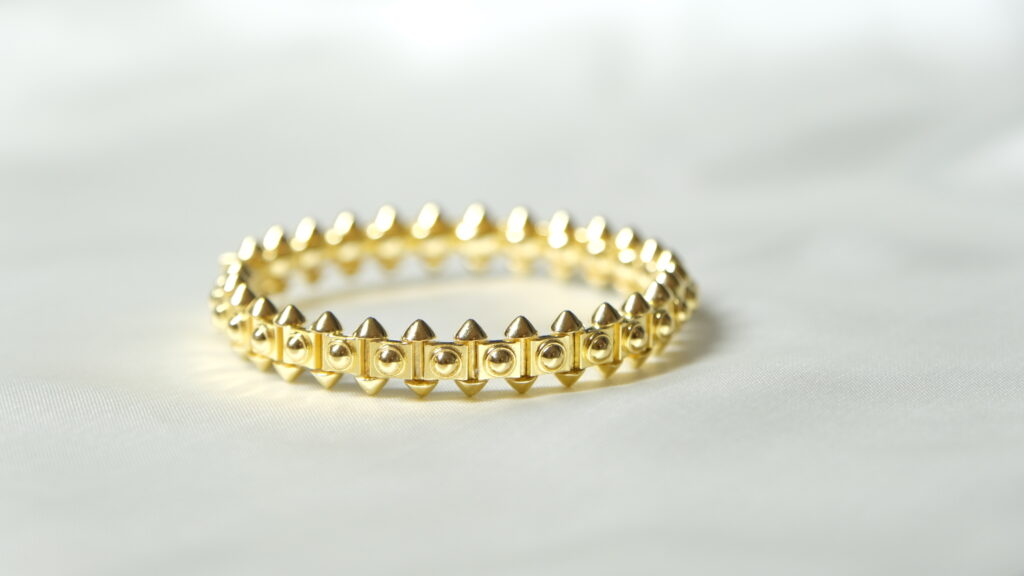
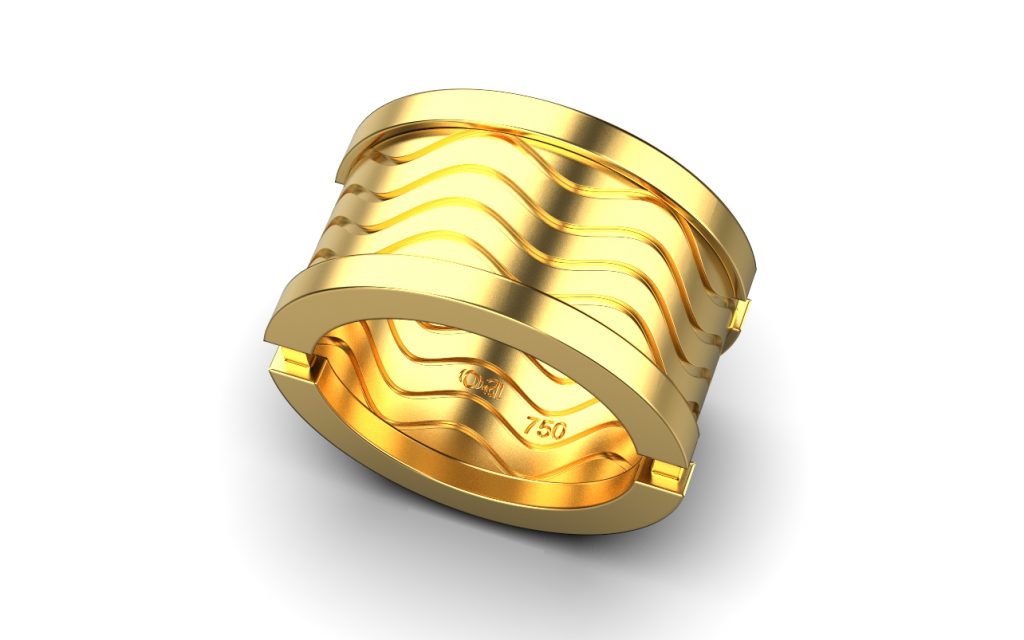
Start by looking for hallmarks or stamps — tiny engravings that reveal your jewelry’s gold purity. Genuine pieces are usually marked with karat symbols like 10K, 14K, 18K, 22K, or 24K, or sometimes numerical equivalents such as 417, 585, 750, or 999. These markings indicate the percentage of pure gold in the alloy. For example, 14K means the piece is 58.5% pure gold. When learning how to tell if gold is real, always begin with this clue — it’s the jewelry industry’s built-in honesty badge.
However, don’t stop there. Counterfeiters can forge hallmarks, so your next step is examining the color and consistency. Real gold has a smooth, buttery tone that doesn’t fade, tarnish, or peel. If you notice areas where the color appears different — such as silver or copper showing through at the edges — the piece might be gold-plated rather than solid. Lightly rub the surface with your thumb; genuine gold should remain unchanged, while fake coatings might dull or reveal discoloration underneath.
Weight is another giveaway in understanding how to tell if gold is real. Gold is dense and heavy for its size. Hold your jewelry in your hand — if it feels unusually light, it may be imitation or mixed with base metals. Real gold has a reassuring heft that distinguishes it from costume jewelry. While you don’t need a scale for a rough estimate, comparing similar-sized pieces can help you develop an intuitive sense for gold’s density.
Don’t forget the craftsmanship. Authentic gold jewelry typically showcases fine detailing and expert finishing. Clasps and links fit perfectly, with smooth edges and clean soldering. Fake or low-quality pieces often reveal uneven surfaces, rough seams, or discoloration in crevices. When learning how to tell if gold is real, paying attention to the craftsmanship often tells a silent but powerful story of authenticity.
Lighting can also play tricks, so view your jewelry under natural light. Real gold keeps its warm luster regardless of lighting, while fake gold may look overly shiny, brassy, or too yellow. It’s this subtle, steady glow that makes gold timeless.
In summary, the visual inspection is your first — and often most reliable — step in mastering how to tell if gold is real. Check for hallmarks, color consistency, weight, and fine workmanship. These details speak volumes before you even bring out a magnet or vinegar. Trust your eyes, train your instincts, and soon enough, spotting real gold will become second nature.
The Magnet Test: Simple Science Behind Real Gold
When learning how to tell if gold is real, the magnet test is one of the simplest and fastest ways to separate genuine gold from impostors. Unlike more complex chemical or density tests, this method requires nothing more than a strong magnet — a household item that’s easy to access. Understanding the science behind it can save you time, protect your jewelry, and give you confidence in your at-home testing.

Why Gold Isn’t Magnetic
Gold is naturally non-magnetic, meaning it won’t be attracted to a magnet. This is because gold’s atomic structure does not allow it to react with magnetic fields in any significant way. However, many metals used in fake or gold-plated jewelry — such as nickel, iron, or steel — are highly magnetic. This difference is exactly what makes the magnet test so effective when figuring out how to tell if gold is real at home.
How to Perform the Magnet Test
Choose a Strong Magnet: While refrigerator magnets can work, a neodymium magnet is best because it’s much stronger and more reliable.
Hold the Jewelry Close: Place the magnet near your piece without letting it touch. You want to observe attraction from a small distance.
Observe the Reaction:
If your jewelry is pulled toward the magnet, it contains magnetic metals and is almost certainly not real gold.
If there’s no reaction, the piece passes this initial test — though further methods are still recommended for confirmation.
Interpreting the Results
It’s important to note that passing the magnet test doesn’t automatically guarantee authenticity. Some fake gold items are made with non-magnetic metals like copper or aluminum. Similarly, certain gold alloys might contain small amounts of magnetic metals but still be partially real gold. Therefore, the magnet test should always be used in combination with visual inspection, density checks, or chemical testing to fully determine how to tell if gold is real.
Practical Tips for Safe Testing
Test small sections: If your jewelry has multiple components, check each separately. Clasps, chains, and charms may contain different metals.
Avoid damaging the jewelry: Don’t force the magnet against delicate pieces, especially thin chains or hollow pendants.
Combine with other methods: Use this test as a first filter before attempting any scratch, acid, or density tests.
Advantages of the Magnet Test
Quick and non-destructive: You don’t scratch or alter the jewelry.
Affordable: A single neodymium magnet costs just a few dollars and can be reused for multiple pieces.
Reliable first step: The test can instantly rule out obvious fakes, saving time before further verification.
In conclusion, the magnet test is a foundational part of learning how to tell if gold is real at home. It’s simple, fast, and safe, making it perfect for beginners or casual jewelry owners. While it’s not foolproof, combining the magnet test with visual inspection and other home methods ensures a comprehensive approach to identifying authentic gold. This simple scientific trick allows you to separate gold from impostors without expensive tools — the first step toward confident, informed jewelry ownership.
-
Aku Earrings – 18K Gold, White Gold
£2,813 Add to cart -
Arc Bracelet – 18K Rose Gold 0.72ct
18K Rose Gold
£6,843 Select options This product has multiple variants. The options may be chosen on the product page -
Basket Ring – 18K Gold, White Gold
18K Yellow Gold, White Gold
£2,344 Select options This product has multiple variants. The options may be chosen on the product page -
Blüte Bracelet 0.48ct – 18K Rose Gold
18K Rose Gold
£10,524 Select options This product has multiple variants. The options may be chosen on the product page
The Float Test: Gold’s Secret in Density
When learning how to tell if gold is real, one of the most reliable home methods involves a property you can’t fake: density. Gold is remarkably dense, heavier than most common metals. While some counterfeits may look authentic, their weight often betrays them. The float test — sometimes called the water displacement or heft test — leverages this physical characteristic to help you distinguish real gold from imposters without special tools.
Understanding Gold’s Density
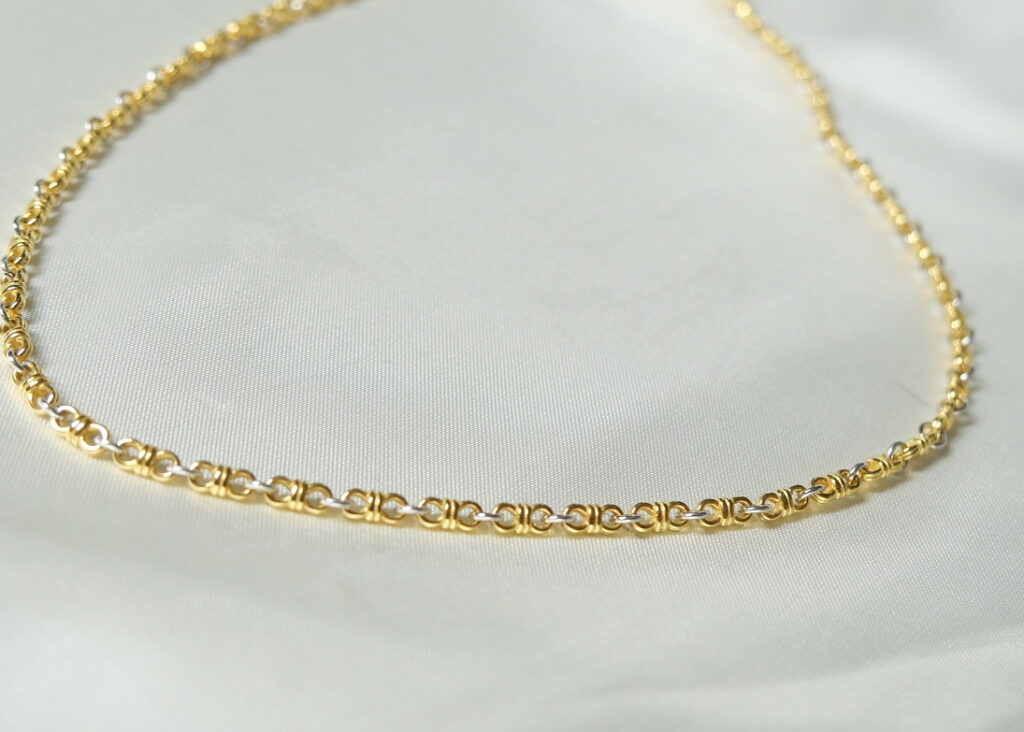
Gold has a density of 19.3 grams per cubic centimeter at 24K purity. Lower-karat golds, like 14K or 10K, are alloys and therefore slightly less dense but still much heavier than typical base metals such as brass, aluminum, or copper. This difference in density is what makes the float test so effective when exploring how to tell if gold is real.
The Heft Test: A Simple Starting Point
Before water or measurements, simply feel the weight of your jewelry. Gold feels noticeably heavy for its size. Pick up a similarly sized piece of metal jewelry — like a brass or copper ring — and you’ll immediately notice the difference. If your jewelry feels unexpectedly light, it could be fake or hollow. This “heft test” is the first clue in the journey of understanding how to tell if gold is real.
The Water Displacement Method
For a more precise approach, the water displacement test is straightforward:
Fill a graduated measuring cup with water and note the level in milliliters.
Carefully submerge your gold piece, ensuring it’s fully under water without touching the sides.
Record the new water level; the difference equals the volume of the piece in milliliters.
Weigh your jewelry on a digital scale in grams.
Divide the weight by the displaced water volume to calculate density (g/cm³).
Compare the result to gold’s standard density. If your measurements fall within the expected range (13–19 g/cm³ depending on karat), you’re likely holding authentic gold. If it’s significantly lower, the piece may be fake or hollow.
Why This Method Works
Even well-plated jewelry can’t mimic the density of real gold. While color and magnet tests can be deceived, density is intrinsic to the metal itself. By understanding how to tell if gold is real through this property, you gain one of the most reliable at-home methods available.
Practical Tips
Ensure your scale is accurate to at least 0.1 grams for small jewelry pieces.
Use a narrow container to minimize water movement for more precise measurements.
For irregularly shaped items, water displacement gives a more accurate reading than visual approximation.
Combine results with previous methods (magnet, visual inspection) for confidence.
The Float Test in Context
The water displacement method is safe, non-invasive, and doesn’t risk scratching or chemically altering your jewelry. It’s especially useful for rings, chains, and pendants where the heft is noticeable. By mastering this test, you’ll add another layer of certainty in your quest to learn how to tell if gold is real, bridging tactile sensation with measurable evidence.
Key Takeaway
Density is gold’s secret signature — heavy, unmistakable, and impossible to fake convincingly. Using the float test, anyone can gain a surprisingly accurate assessment of authenticity at home. Combined with magnet tests and visual inspection, this method forms a triad of reliable DIY approaches to separating genuine gold from counterfeits.
The Skin Reaction Test: When Gold Meets You
When learning how to tell if gold is real, one of the simplest — and surprisingly reliable — methods is to observe how your skin reacts to the jewelry. Real gold is hypoallergenic and chemically inert, which means it rarely causes irritation or leaves marks. Conversely, fake gold or gold-plated items often contain metals like nickel or copper that react with sweat and skin oils, giving away their authenticity.

Why Skin Reactions Matter
Gold’s chemical stability makes it resistant to oxidation. Unlike base metals, it doesn’t corrode or leave residues when in contact with human skin. If a ring, bracelet, or necklace leaves green, black, or dark marks, that’s a clear indication that the piece likely contains other metals. This is one of the easiest clues for anyone learning how to tell if gold is real without tools.
Simple At-Home Observation
Wear the Jewelry for a Few Hours: Place the piece on clean, dry skin for several hours. Pay attention to areas with sweat or friction, like fingers, wrists, or behind the ears.
Check for Stains: Look for discoloration on your skin or the jewelry itself. Genuine gold will leave no mark, while impostor metals often react.
Compare with Known Gold: If possible, wear a verified gold piece alongside the test piece. Differences in reaction are often noticeable and instructive.
Additional Clues
Skin Irritation: Beyond discoloration, fake gold can sometimes cause mild itching or rashes. Gold alloys like 18K or 14K may contain small amounts of other metals, so mild reactions could be normal in sensitive skin.
Color of Residue: Greenish marks often indicate copper, while black stains can suggest nickel. Both are common in gold-plated or counterfeit jewelry.
Limitations of the Skin Test
While this method is helpful, it’s not foolproof. Pure gold can be alloyed with tiny amounts of other metals for strength, which may occasionally trigger mild skin reactions. Additionally, some fake gold may be plated over non-reactive metals like brass, making skin reactions less obvious. Therefore, the skin reaction test should always be used in combination with other techniques such as visual inspection, magnet testing, or density checks when learning how to tell if gold is real.
Practical Tips
Test jewelry on clean, dry skin for the most accurate results.
Avoid wearing lotions or perfumes that can interfere with reactions.
Use this test as part of a broader evaluation — it’s a clue, not a definitive answer.
If the jewelry leaves marks but looks authentic visually, consider additional testing before drawing conclusions.
Why It’s Valuable
The skin reaction test is safe, non-destructive, and requires no tools. It’s particularly useful for everyday wearers who want to ensure that jewelry is comfortable as well as authentic. By combining observations from your skin with other at-home tests, you build a comprehensive understanding of how to tell if gold is real, increasing your confidence in identifying genuine pieces.
Key Takeaway
Gold doesn’t just shine; it interacts with your skin in a unique, telltale way. Observing discoloration, irritation, or residue provides a surprisingly accurate clue to authenticity. Paired with visual checks, magnet tests, and density evaluation, the skin reaction test becomes a practical and accessible part of a complete at-home gold testing toolkit — perfect for anyone who wants to learn how to tell if gold is real without professional tools.
-
Cercle Diamond Stud Earrings – 18K White Gold – 0.77ct
18K White Gold
£4,610 Add to cart -
Linear Link Chain Bracelet – 18K Vermeil Gold
Sterling Silver
£504 Select options This product has multiple variants. The options may be chosen on the product page -
Loop Earrings – 18K Gold- 1.026ct
18K Gold
£4,960 Select options This product has multiple variants. The options may be chosen on the product page
The Scratch and Ceramic Test: Real Results Without Damage
When learning how to tell if gold is real, the scratch and ceramic test is one of the oldest and most straightforward home techniques — but it must be done carefully. This method relies on observing the streak left by your jewelry on an unglazed ceramic surface, revealing whether the metal is solid gold or a plated imitation.
How the Scratch Test Works
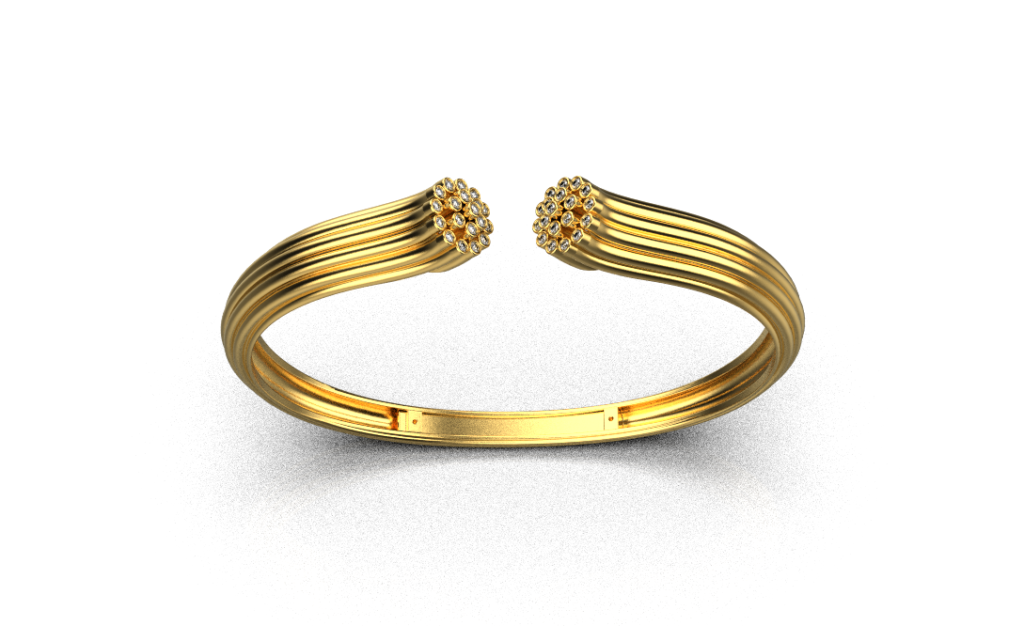
Gold is a soft, dense metal with a distinct color that leaves a visible streak when rubbed against certain materials. Unglazed ceramic tiles, commonly used in household tests, provide a rough surface that draws out this streak without harming the piece significantly. The key is to avoid scratching or damaging any visible part of the jewelry.
Choose an Unglazed Ceramic Tile: Look for a white or light-colored tile without glaze. The light surface makes the gold streak easier to see.
Test a Hidden Area: Always select a small, inconspicuous part of your jewelry — the inside of a ring band or a back corner of a pendant.
Rub Gently: Drag the piece lightly across the ceramic surface. Observe the color of the streak.
Interpret the Results:
Golden-yellow streak: Likely genuine gold.
Black, gray, or dark streak: Indicates base metals or heavy plating.
No visible streak: Could mean very strong plating or low friction; further testing is recommended.
Safety and Ethical Considerations
The scratch and ceramic test is minimally invasive if done carefully, but it’s not risk-free. Soft gold can leave micro scratches, and plating may wear off with repeated testing. For heirlooms, antiques, or high-value jewelry, it’s better to rely on non-destructive methods like visual inspection, magnet tests, or density measurement first. Understanding how to tell if gold is real responsibly means balancing curiosity with preservation.
Advantages of the Scratch Test
Fast and Simple: Results appear immediately.
No Special Tools Needed: All you need is a tile or even the rough back of a ceramic plate.
Clear Visual Evidence: The streak color is often unmistakable.
Limitations to Consider
Accuracy Varies with Karat: Lower-karat gold (like 10K) may produce a lighter streak that can be confused with plated metal.
Potential Surface Damage: Repeated rubbing can dull shiny surfaces.
Complementary Testing Required: Always pair this method with visual checks, magnet tests, or density evaluation to confirm results.
Practical Tips
Test only on hidden areas to preserve aesthetics.
Clean the jewelry and tile before testing for the best results.
Use gentle pressure — too much force can leave scratches even on solid gold.
Document your observations — color, streak width, and intensity — to compare with other tests.
Why It Matters
The scratch and ceramic test provides a tactile, visual method for exploring how to tell if gold is real at home. It reveals the metal’s true nature, often confirming suspicions raised by magnet, density, or skin tests. When performed carefully, it’s a safe, fast, and informative technique that strengthens your understanding of gold authenticity.
Key Takeaway
Though modern science offers advanced tools for gold testing, traditional methods like the scratch and ceramic test remain valuable for home enthusiasts. It gives instant feedback on the metal’s authenticity while teaching you to pay attention to subtle details. For anyone learning how to tell if gold is real, this test is an indispensable part of a well-rounded at-home toolkit — combining simplicity, effectiveness, and hands-on insight.
The Vinegar and Lemon Method: Natural Clues for Authentic Gold
When exploring how to tell if gold is real, mild acids from common household items like vinegar and lemon juice offer an easy and safe testing option. Unlike industrial acid tests, which require special chemicals and professional knowledge, vinegar and lemon allow you to detect counterfeit metals gently — without damaging your jewelry.
Why Vinegar and Lemon Work
Real gold is chemically stable and does not react with acids under normal conditions. Fake gold or gold-plated items often contain base metals like copper, nickel, or zinc, which react visibly when exposed to mild acids. This property makes these everyday substances excellent tools for at-home testing of authenticity.
The Vinegar Test
Pour a small amount of white vinegar into a clean dish.
Place your jewelry in the vinegar and let it soak for 15–20 minutes.
Observe any changes:
No change: The jewelry is likely real gold.
Discoloration, bubbling, or darkening: The piece contains other metals or is gold-plated.
Rinse and dry your jewelry thoroughly after the test to remove any residual acid.
The vinegar test is particularly helpful for small items like earrings, chains, and rings — simple, effective, and completely non-destructive for genuine gold.
The Lemon and Salt Test
Lemon juice combined with a pinch of table salt can also reveal authenticity:
Mix fresh lemon juice with a small amount of salt to create a mild acidic paste.
Apply the mixture gently to a small, inconspicuous area of the jewelry using a soft cloth or cotton swab.
Wait a few minutes and check for reactions:
No color change: Likely real gold.
Darkening or greenish residue: Suggests the presence of base metals.
This test works because the citric acid in lemon reacts with metals other than gold, creating a visible color change that exposes fakes.
Advantages of Natural Acid Testing
Safe for Home Use: No industrial chemicals are required.
Non-Destructive: Real gold remains unaffected by vinegar or lemon.
Quick Results: Reactions occur within minutes, giving fast feedback.
Limitations
While these tests are useful, they are not 100% conclusive. Strongly plated jewelry or alloys with non-reactive metals may pass the test despite not being pure gold. That’s why natural acid tests should be used alongside other home methods like visual inspection, magnet tests, and density evaluation to fully determine how to tell if gold is real.
Practical Tips
Always test on a hidden part of the jewelry to protect aesthetics.
Rinse and dry jewelry after testing to prevent any potential corrosion of alloys.
Use fresh lemon juice for more reliable results.
Document your observations for comparison with other tests.
Why It’s Valuable
The vinegar and lemon method combines simplicity, safety, and reliability. It’s ideal for jewelry enthusiasts who want a quick, non-invasive way to detect counterfeit items while learning how to tell if gold is real. By observing chemical reactions, you gain tangible evidence of authenticity without special tools or expensive kits.
Key Takeaway
Natural acids like vinegar and lemon are powerful allies in the quest to identify genuine gold at home. When combined with magnet, visual, density, and skin reaction tests, they provide a well-rounded, accessible, and safe toolkit for anyone eager to learn how to tell if gold is real — all from the comfort of your own home.
-
Aku Wave Ring – 18K Rose Gold, White Gold
18K Rose Gold, White Gold
£3,094 Select options This product has multiple variants. The options may be chosen on the product page -
Serendipity Necklace – 18K Vermeil Gold
Sterling Silver
£1,251 Add to cart -
Spiral Button Link Necklace -18K Vermeil Gold
Sterling Silver
£634 Select options This product has multiple variants. The options may be chosen on the product page
Confidently Identifying Real Gold at Home
Learning how to tell if gold is real doesn’t require a jeweler’s microscope or expensive lab equipment. With a combination of simple, reliable at-home methods, anyone can confidently evaluate their jewelry and separate genuine gold from fakes. From the visual inspection to observing hallmarks, color, and craftsmanship, the first step is always training your eyes and instincts to recognize authenticity.
Next, tools as simple as a magnet or a bowl of water allow you to leverage gold’s physical properties. The magnet test quickly reveals the presence of magnetic metals, while the float and density test highlights gold’s unmistakable weight. Paired with the skin reaction method, which observes hypoallergenic behavior, these tests provide a layered understanding of how real gold interacts with both its environment and its wearer.
The scratch and ceramic test, meanwhile, gives a direct visual confirmation of gold’s streak and color, while natural acid methods — using vinegar or lemon juice — offer chemical evidence without harming your jewelry. By combining all these approaches, anyone can gain a comprehensive, practical toolkit for determining gold authenticity at home.
Most importantly, mastering how to tell if gold is real empowers you to make informed decisions when buying, selling, or inheriting jewelry. It protects your investments, safeguards your collections, and even helps you enjoy the tactile and aesthetic experience of real gold with peace of mind.
While no single method is infallible, using these six at-home techniques together provides a high level of confidence. Over time, as you practice, your ability to spot real gold will become instinctive, turning what once seemed like a challenge into an enjoyable and empowering skill.
Whether you’re a casual jewelry lover or a budding collector, understanding how to tell if gold is real ensures that every piece you own is genuine, beautiful, and worthy of the value it represents.