

Style Tips
WHY “QUIET LUXURY” JEWELRY IS 2026’S MOST EXPENSIVE-LOOKING TREND (AND HOW TO STYLE IT)
A diamond cut is a key factor to consider when choosing your next piece of diamond jewelry.
By Chinwe, Chief Creative Officer
There’s a scene playing out in boardrooms, cocktail parties, and corner tables at discreet restaurants across major cities: someone walks in wearing no logos, no obvious labels, nothing that screams for attention—and yet everyone in the room registers wealth, taste, and unshakeable confidence. The secret isn’t what they’re wearing. It’s what they’re not wearing. And increasingly, it’s in the jewelry: a substantial gold chain that catches the light just so, a pair of pearl studs with that unmistakable luster, a signet ring worn smooth by decades of wear. This is quiet luxury jewelry, and in 2026, it has become the ultimate status symbol precisely because it refuses to announce itself.
Quiet luxury jewelry represents a seismic shift in how sophisticated consumers signal taste and financial confidence. Where maximalism and logo-heavy pieces once dominated, there’s now a cultural backlash—a collective exhaustion with jewelry that tries too hard, shouts too loud, and reveals too little about the wearer’s actual discernment. The influence is everywhere: from Succession‘s Shiv Roy and her understated gold hoops to The Row’s entire aesthetic philosophy, from the rise of “stealth wealth” dressing to Millennials and Gen X investing in quality over quantity. The message is clear: true luxury no longer needs an announcement. It simply is.
What makes quiet luxury jewelry the anti-trend trend is its refusal to chase relevance. These pieces don’t appear in TikTok hauls or Instagram unboxings. They don’t launch in limited-edition colorways or collaborate with streetwear brands. Instead, they exist in a rarified space where exceptional materials, flawless construction, perfect proportions, and the kind of subtle details that reveal themselves slowly become the new jewelry language of sophistication. This is jewelry that whispers wealth, demands nothing, and transforms even the simplest outfit into something exponentially more expensive-looking. And once you understand the principles, you’ll never look at jewelry—or luxury itself—the same way again.
What Quiet Luxury Jewelry Actually Is (And What It Definitely Isn't)
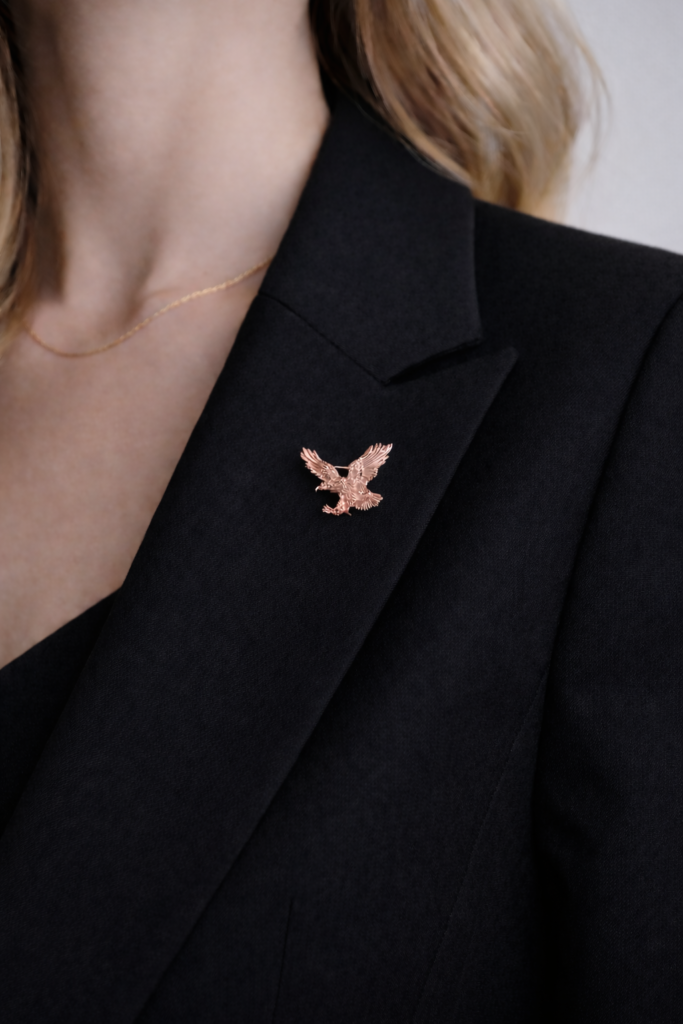
Let’s establish what we’re actually discussing when we talk about quiet luxury jewelry, because the term has been misunderstood, co-opted, and diluted to the point of meaninglessness by fast-fashion retailers slapping “quiet luxury” on anything gold-toned and simple.
Quiet luxury jewelry is not minimalist jewelry. Minimalism often trends toward the austere, the architectural, the almost ascetic—think threadlike chains and barely-there studs that practically disappear. Quiet luxury jewelry, by contrast, has presence. It has weight, substance, and an undeniable quality that announces itself through tactility and craftsmanship rather than size or flash. A quiet luxury piece feels substantial in your hand. It has heft. When you wear it, you’re aware of it—not because it’s uncomfortable, but because the quality is undeniable.
Quiet luxury jewelry is not “basic” or safe. There’s a profound difference between choosing a simple design executed in exceptional materials versus settling for generic pieces that happen to be inoffensive. The former is a sophisticated edit; the latter is playing it safe. Quiet luxury jewelry pieces often feature subtle design details that distinguish them from their mass-market counterparts: a particular curve to a hoop earring, the way a chain link catches light, the proportion of a gemstone to its setting. These details matter enormously, even when—especially when—they’re nearly imperceptible.
Quiet luxury jewelry is not costume jewelry in disguise. No amount of “delicate layering” can transform plated brass into quiet luxury. The materials matter. Quiet luxury jewelry begins with 18k gold (never, ever plated), platinum, and sterling silver. It uses genuine gemstones—diamonds with excellent cuts and clarity, sapphires with deep saturation, emeralds with minimal inclusions, rubies that glow from within. It incorporates real pearls with genuine luster: Akoya, South Sea, Tahitian. The material integrity is non-negotiable because quiet luxury jewelry is fundamentally about quality that endures, not trends that expire.
And critically, quiet luxury jewelry is not simply “wearing less jewelry.” You can wear a single logo-heavy piece and undermine the entire aesthetic. You can layer five quiet luxury pieces and look impeccable. The philosophy isn’t about quantity—it’s about intentionality. Every piece serves a purpose. Nothing is extraneous. And together, they create a cohesive visual statement that feels effortless, elevated, and entirely personal.
The ascendance of quiet luxury jewelry in 2026 isn’t accidental. It represents the convergence of multiple cultural, economic, and aesthetic shifts that have been building for years.
First, there’s the logo fatigue. After decades of conspicuous consumption—where handbags announced their provenance in interlocking letters, jewelry spelled out brand names in pavé diamonds, and clothing literally advertised itself across chests and sleeves—consumers with actual purchasing power have grown weary. The logomania that once signaled access now feels gauche, try-hard, even nouveau riche in the most pejorative sense. Quiet luxury jewelry emerges as the antidote: pieces that signal taste through their quality and restraint rather than their branding.
Second, the “stealth wealth” phenomenon has moved from niche aesthetic to mainstream aspiration. Television shows like Succession didn’t just entertain—they educated viewers on the visual codes of old money. Shiv’s simple gold jewelry, Kendall’s understated watch, even Tom’s wedding band all communicated wealth through absence rather than presence. Fashion houses like The Row, Loro Piana, and Brunello Cucinelli have built empires on this principle, and jewelry has followed suit. When you understand that true wealth doesn’t announce itself, quiet luxury jewelry becomes the natural extension of your wardrobe philosophy.
Third, there’s been a generational recalibration around consumption itself. Millennials and Gen X, now in their peak earning years, are prioritizing investment pieces over trend-driven purchases. They’ve watched fast fashion’s environmental and ethical toll. They’ve experienced the disappointment of pieces that fall apart, tarnish, or look dated within months. Quiet luxury jewelry represents a different value proposition: price-per-wear calculations that favor quality, pieces that appreciate rather than depreciate, jewelry that becomes more meaningful over time rather than obsolete.
Finally, there’s the Instagram paradox: as social media has trained us to perform wealth and status through increasingly elaborate displays, the truly sophisticated have responded by opting out of the arms race entirely. Quiet luxury jewelry photographs beautifully, but it doesn’t scream for attention. It doesn’t dominate the frame. Instead, it suggests a life well-lived, choices well-made, and taste that exists independent of validation. In an era of performative luxury, quiet luxury jewelry becomes radical precisely because it refuses to perform.
-
Micro Pave Stud Earrings – 18K White Gold
18K White Gold
£2,105 Add to cart -
Tennis Bracelet – 18K White Gold – 12.7ct
18K White Gold
£44,964 Select options This product has multiple variants. The options may be chosen on the product page -
Tennis Necklace – 18K White Gold – 26.67ct
18K White Gold
£59,600 Select options This product has multiple variants. The options may be chosen on the product page
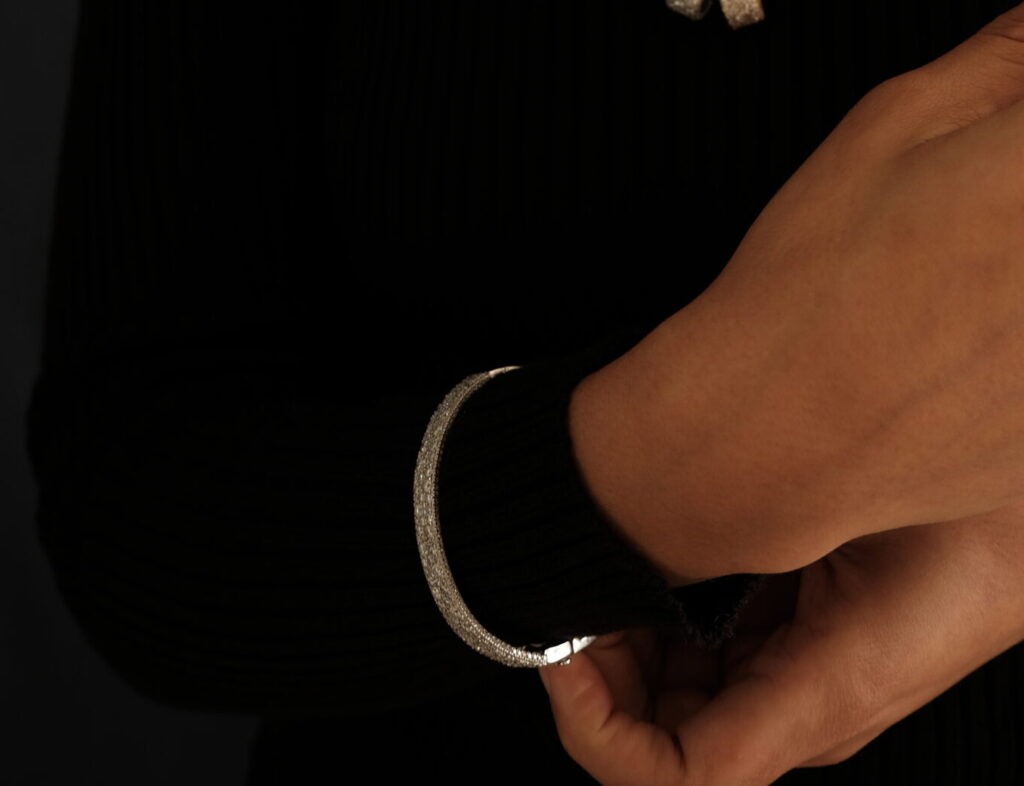
Understanding quiet luxury jewelry requires recalibrating your eye to notice what most people miss. These are the markers of excellence that separate investment pieces from expensive-looking imitations.
Superior materials that announce themselves through quality, not quantity. Quiet luxury jewelry begins with 18k gold—not 14k, not plated, not vermeil. The difference is tangible: 18k gold has weight, warmth, and a richness that lesser karats simply cannot achieve. It doesn’t irritate skin. It doesn’t tarnish. It ages beautifully, developing a patina that only enhances its character. Platinum offers cool elegance and unmatched durability. Sterling silver, when executed properly, provides accessible entry into quiet luxury’s aesthetic universe. But the metal must be solid, substantial, and real.
Flawless construction that reveals itself in details only the wearer notices. The clasps on quiet luxury jewelry aren’t flimsy or visible. They’re seamless, substantial, engineered to function perfectly while remaining invisible. Lobster clasps have weight and snap securely closed. Jump rings are soldered, not simply pressed. Earring backs fit precisely and hold securely without pinching. These aren’t details that photograph well or feature in marketing materials—which is precisely why they matter. Quiet luxury jewelry is designed for the wearer’s experience, not the observer’s.
Perfect proportions that create the “just right” Goldilocks effect. This is perhaps the most difficult aspect to articulate but the most important to master. Quiet luxury jewelry is never too delicate—that reads as insubstantial, even cheap. But it’s never too bold—that veers into statement territory and undermines the aesthetic’s restraint. Instead, quiet luxury jewelry occupies the sweet spot: chains have enough weight to drape beautifully but don’t overwhelm the collarbone, earrings frame the face without dominating it, rings feel substantial on the finger without impeding movement. This calibration requires trying pieces on, understanding how they interact with your proportions, and trusting your eye.
Subtle details that reward close examination. Run your fingers along a quiet luxury chain and you’ll notice the smoothness of each link, the precision of the solder points, the way it moves like liquid gold. Examine a quiet luxury diamond setting and you’ll see how the prongs are perfectly matched, the stone sits level, the metalwork underneath is finished as beautifully as the visible surface. These are details that only the wearer might notice—and that’s exactly the point. Quiet luxury jewelry is designed for personal satisfaction, not external validation.
Finishes that feel intentional rather than trendy. High-polish gold offers timeless elegance. Brushed or hammered finishes add texture and interest without veering into the overly designed. Matte finishes, when executed properly, feel deliberately understated rather than unfinished. The key is that the finish serves the design rather than announcing itself as a “look.” Quiet luxury jewelry doesn’t chase texture trends—it uses finish to enhance the piece’s inherent beauty.
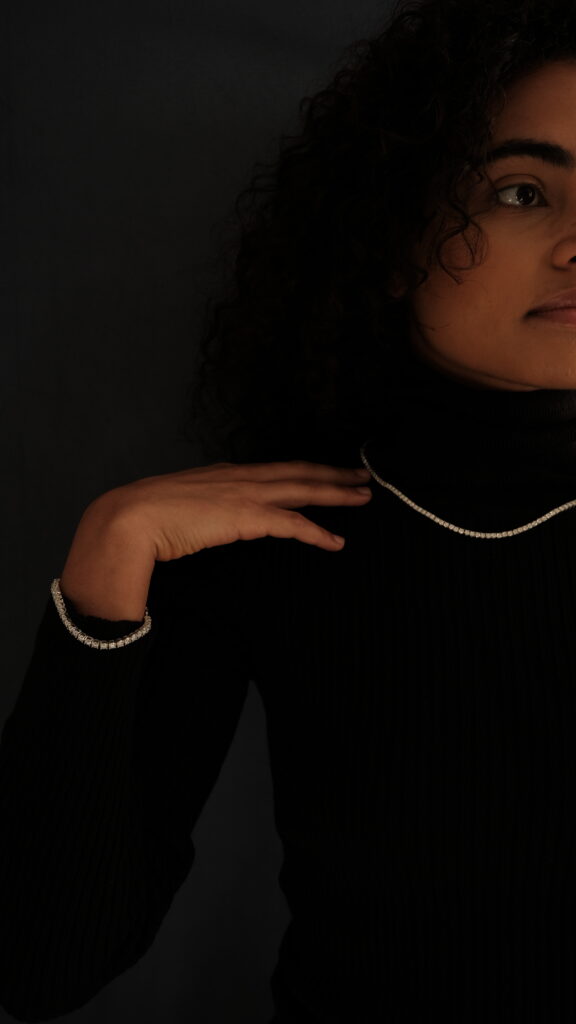
One of the most compelling arguments for quiet luxury jewelry is its investment potential. Unlike trendy pieces that depreciate the moment you purchase them, quiet luxury jewelry maintains—and often increases—its value over time.
The mathematics are straightforward: a $5,000 pair of 18k gold and diamond stud earrings worn daily for twenty years costs approximately $0.68 per wear. A $200 pair of fashion earrings worn ten times before tarnishing or breaking costs $20 per wear. Beyond the pure economics, quiet luxury jewelry offers something fashion pieces cannot: heirloom potential. These are pieces you pass down, pieces that carry stories, pieces that improve with age rather than deteriorate.
When building an investment-focused quiet luxury jewelry collection, prioritize pieces with enduring design. Avoid anything that announces its era too obviously—particular gemstone cuts that feel distinctly of a moment, design flourishes that will date the piece, proportions that reflect temporary trends. Instead, favor classic shapes executed in exceptional materials: round brilliant diamonds, simple chain patterns that have existed for centuries, setting styles with proven longevity.
Heritage brands offer certain advantages in the investment space. Cartier’s Love bracelet, for instance, holds its value remarkably well because the design is iconic, the brand has maintained its prestige, and the secondary market is robust. But independent artisan jewelers working in precious materials with traditional techniques can create equally investment-worthy pieces—particularly if you’re focused on quality and wearability rather than brand recognition.
Vintage and estate quiet luxury jewelry represents perhaps the most sophisticated approach to building an investment collection. You’re acquiring pieces that have already proven their endurance, often at a fraction of contemporary retail pricing. A 1950s Tiffany & Co. gold chain or a 1970s Cartier ring offers exceptional value because you’re paying for materials and craftsmanship rather than current marketing budgets. Additionally, vintage pieces often feature superior materials—higher gold karats, better gemstone quality, more substantial construction—than contemporary equivalents at the same price point.
Documentation matters for investment pieces. Maintain receipts, appraisals, and provenance information. Insure properly and update coverage as values appreciate. Store carefully in anti-tarnish pouches or dedicated jewelry boxes. Have pieces professionally cleaned and inspected annually. These aren’t precious fussy requirements—they’re practical steps that protect your investment and ensure your quiet luxury jewelry collection maintains its value for generations.
-
Aku Earrings – 18K Gold, White Gold
£2,813 Add to cart -
Blüte Bracelet 0.48ct – 18K Gold
18K Gold
£10,524 Select options This product has multiple variants. The options may be chosen on the product page -
Katy Necklace – 18K Gold
18K Gold
£2,891 Add to cart
The Essential Quiet Luxury Jewelry Capsule: Seven Pieces That Work With Everything
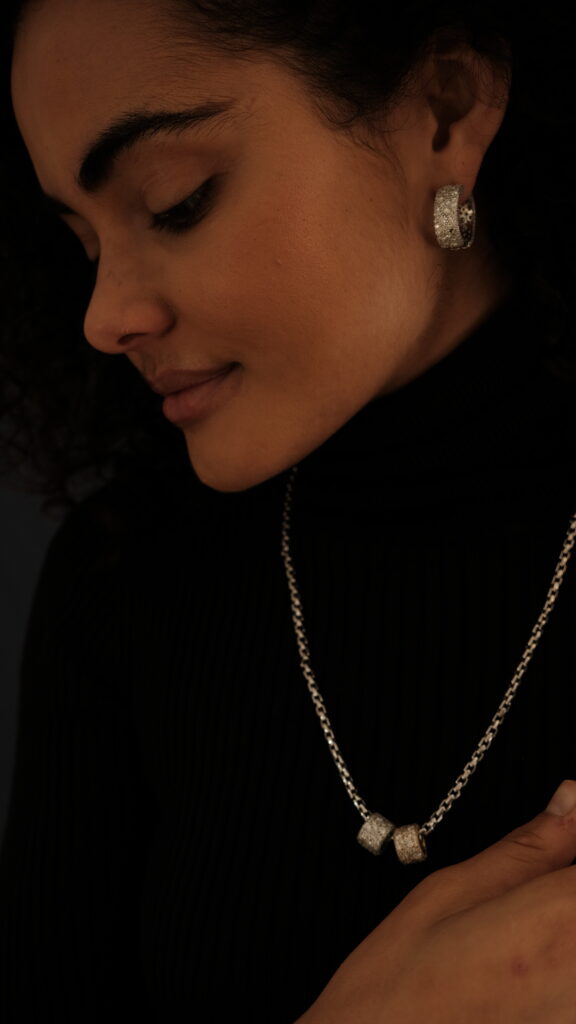
Creating a functional quiet luxury jewelry wardrobe doesn’t require dozens of pieces or unlimited budgets. Instead, it requires strategic selection of versatile, high-quality items that work together seamlessly.
- The Perfect Everyday Chain (Necklace)
This is your foundation piece—the necklace you never remove. For most people, this means an 18k gold chain between 16 and 18 inches, substantial enough to have presence but refined enough to layer or wear solo. The link style matters enormously: cable chains offer timeless simplicity, oval links feel slightly more feminine, and paperclip or curb chains provide contemporary edge while remaining classic. The key is weight—this chain should have genuine heft, enough that you’re aware you’re wearing it. Budget $1,500-$5,000 depending on length and karat weight, and view it as a lifetime purchase.
- The Heirloom-Quality Stud Earring
If you can only own one pair of earrings, make them studs. The options are elegant in their simplicity: round brilliant diamonds (0.5 to 1 carat total weight in excellent cut and clarity), Akoya or South Sea pearls (8-10mm), or colored gemstones like sapphires or emeralds in classic settings. The setting should be four or six prongs in 18k gold or platinum—nothing trendy, nothing that dates the piece. These earrings should work equally well with a t-shirt and jeans, a blazer for the boardroom, or a gown for black-tie. Budget $2,000-$10,000 depending on stone quality and metal choice.
- The Signature Ring
This might be a signet ring with your family crest or initials, a simple band in an interesting finish, or a solitaire gemstone in a timeless setting. The signature ring differs from a wedding or engagement band—it’s deeply personal, often meaningful, and the piece that becomes so associated with you that people notice when you’re not wearing it. It should fit comfortably enough for all-day wear and be substantial enough that it feels intentional rather than delicate. Budget $1,000-$8,000.
- The Hoop Earring (Your Alternative to Studs)
Quiet luxury hoops are never huge, never hollow, never thin. They’re typically 14-25mm in diameter, made from solid 18k gold or platinum, with enough thickness to have weight but not so much that they feel costume-like. The hinge or closure should be seamless—you shouldn’t see the mechanism when worn. These become your “weekend” or “slightly dressed down but still polished” earring, perfect with everything from cashmere sweaters to white button-downs. Budget $800-$3,000.
- The Delicate But Substantial Pendant
This is the piece that personalizes your everyday chain. It might be a single diamond or gemstone in a simple bezel setting, a small locket with family photos, a religious symbol, or an abstract geometric shape that speaks to you. The critical factor is proportion—the pendant should feel intentional when worn on your chain, neither overwhelming it nor getting lost. And it should mean something to you, because quiet luxury jewelry is ultimately about personal significance rather than external validation. Budget $1,500-$6,000.
- The Tennis Bracelet Reimagined
The traditional tennis bracelet—a line of diamonds in prong settings—remains a quiet luxury staple, but contemporary interpretations offer more versatility. Consider a line of smaller diamonds with negative space between them, a bracelet that alternates diamonds with smooth gold sections, or even a simple gold link bracelet substantial enough to wear daily. The key is flexibility, comfort, and the ability to dress up or down. Budget $2,500-$15,000.
- The Watch as Centerpiece
Quiet luxury jewelry collections increasingly center around a single exceptional watch rather than multiple mediocre ones. This should be a mechanical movement from a heritage brand (Rolex, Patek Philippe, Audemars Piguet) or a respected independent watchmaker. The watch face should be clean, the case proportions classic, the band either leather or metal in a timeless style. This is the piece that signals deep knowledge and financial confidence—people who understand watches will recognize quality; those who don’t will simply register elegance. Budget $5,000-$50,000+, depending on brand and complications.
These seven pieces create infinite possibilities. They layer beautifully together. They work across occasions, from casual weekends to formal events. They never compete with your clothing or announce themselves too loudly. And together, they form the foundation of a quiet luxury jewelry wardrobe that will serve you for decades.
How to Style Quiet Luxury Jewelry Without Looking Boring, Underdressed, or Apologetic
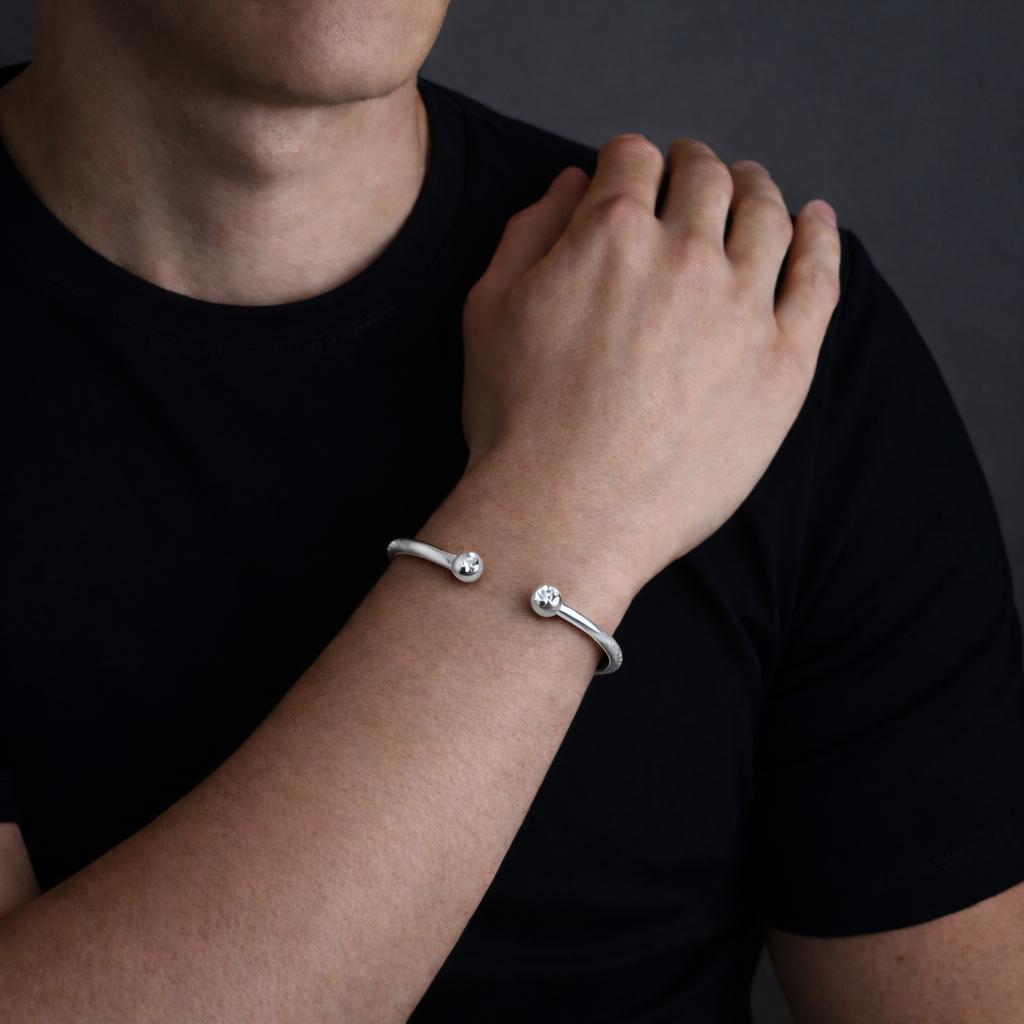
The greatest fear around quiet luxury jewelry is that restraint will read as timidity, that “less is more” will simply look like less. This concern is understandable but misplaced. When quality is exceptional, restraint amplifies rather than diminishes impact.
The Foundational Philosophy: One Statement Element
Quiet luxury styling follows a simple rule: let one element make the statement, and let everything else support it. If you’re wearing a bold blazer or printed dress, your jewelry should be minimal and classic—your everyday chain, simple studs, perhaps your signature ring. But if your clothing is understated—white t-shirt, black trousers, navy cashmere—your jewelry can be more present. Add your hoops, layer a few delicate necklaces, stack rings on multiple fingers. The key is ensuring the total visual effect remains calibrated rather than competing.
Common Mistakes That Undermine Quiet Luxury Jewelry
The first mistake is confusing quiet luxury with cheapness. Wearing a single delicate gold-plated necklace doesn’t create quiet luxury—it creates an unfinished look. Quiet luxury requires substance, even in small doses. Better to wear one exceptional piece than five mediocre ones.
The second mistake is mixing quiet luxury jewelry with logo-heavy accessories. You cannot wear a Cartier Love bracelet and a handbag covered in monograms and expect to communicate quiet luxury. The aesthetic requires consistency—once you introduce overt branding anywhere in your outfit, you’ve left quiet luxury territory.
The third mistake is treating quiet luxury as a costume rather than a philosophy. Quiet luxury jewelry only works when it’s genuinely integrated into your daily life. These aren’t pieces you save for special occasions—they’re pieces you wear constantly, that become part of your physical identity, that people associate with you. The woman who owns one exceptional gold chain she wears daily embodies quiet luxury far more than the woman who owns fifteen “quiet luxury” pieces she rotates performatively.
Layering in the Quiet Luxury Context
Layering can absolutely work within quiet luxury jewelry aesthetics, but it requires restraint and intentionality. The goal is visual interest without clutter, depth without cacophony. When layering necklaces, vary lengths by at least two inches to prevent tangling and create distinct visual zones. Limit yourself to three necklaces maximum. Ensure they’re all in the same metal family—mixing gold and silver can work in other aesthetics but reads as confused within quiet luxury. And make sure at least one piece has genuine substance; three threadlike chains look insubstantial rather than sophisticated.
Ring stacking follows similar principles. Multiple thin bands on one finger can create a beautiful graduated effect, but the total width should still feel intentional rather than excessive. Alternatively, wearing rings on multiple fingers works beautifully as long as each ring has enough presence to justify its placement. The amateur move is wearing many small, insignificant rings across multiple fingers—it reads as nervous rather than confident.
Occasion-Specific Quiet Luxury Jewelry Approaches
The Boardroom: This is where quiet luxury jewelry truly shines. Your jewelry should signal authority without distraction. The formula is simple: studs or small hoops, your everyday chain, perhaps your signature ring, and your watch. Nothing should move excessively, make noise, or draw attention away from what you’re saying. The goal is for people to register you as polished, professional, and substantial without consciously noting your jewelry.
Black-Tie: Formal occasions allow slightly more presence while maintaining quiet luxury principles. Consider swapping your everyday studs for slightly larger diamonds or pearls, adding your tennis bracelet, wearing a cocktail ring with a single exceptional gemstone. But resist the urge to wear everything you own. Even at black-tie, quiet luxury requires editing. The woman dripping in diamonds rarely looks as expensive as the woman in pearl studs and a perfectly proportioned cocktail ring.
Weekend and Casual: This is where hoops replace studs, where you might wear only your everyday chain and signature ring, where your watch becomes the dominant piece. Quiet luxury weekend jewelry should feel effortless—nothing that requires careful consideration or anxious adjustment throughout the day.
Travel: The beauty of quiet luxury jewelry is that your essential pieces can travel everywhere. Because they’re timeless and versatile, a small selection works for multiple occasions. Pack your studs, hoops, everyday chain, signature ring, and watch. This combination handles everything from tourist sightseeing to impromptu dinners at Michelin-starred restaurants.
The Psychology of “People Who Know, Know”
Perhaps the most satisfying aspect of quiet luxury jewelry is its exclusivity not of price point but of knowledge. When you wear an exceptional piece, certain people will recognize it—they’ll notice the weight of your gold, the quality of your pearls, the heritage of your watch. These people are your tribe. They’re the ones who understand that true luxury doesn’t announce itself, who’ve done the research, made the investments, developed the eye. And the recognition is subtle: a glance at your wrist, a slight nod, perhaps a quiet compliment delivered with knowing specificity. This is luxury as shared language, jewelry as cultural capital, taste as its own form of currency.
-
Cluster Stud Diamond Earrings-18K White Gold-1.7ct
18K White Gold
£4,880 Add to cart -
Linear Diamond Tip Bracelet 0.43ct – 18K Rose Gold
18K Rose Gold
£13,655 Select options This product has multiple variants. The options may be chosen on the product page -
Mosaïque Bracelet – Sterling Silver
Sterling Silver
£451 Select options This product has multiple variants. The options may be chosen on the product page
The Quiet Luxury Jewelry Color Palette: Mastering Metal Choices for Maximum Sophistication
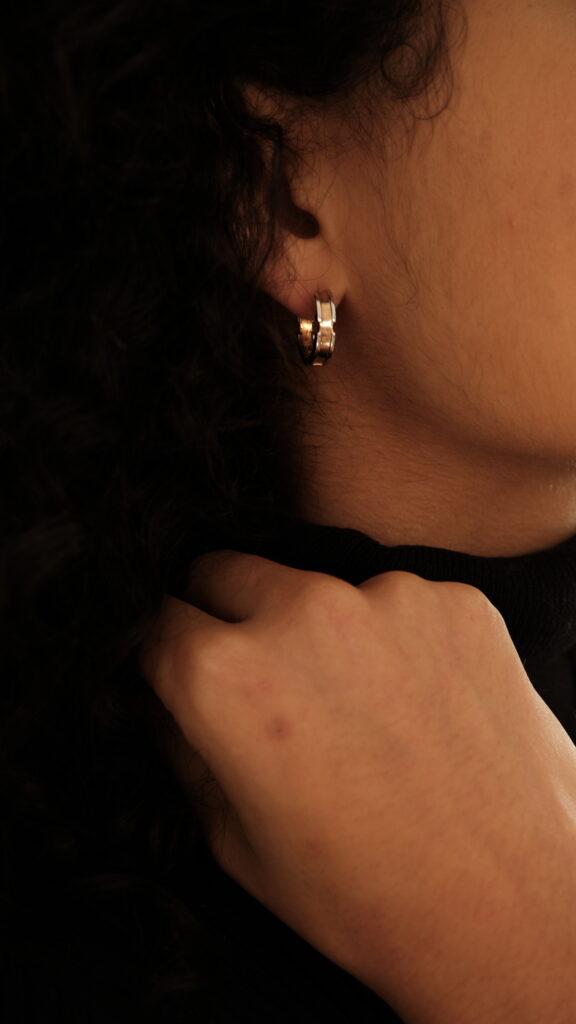
Metal selection is one of the most consequential yet overlooked decisions in building a quiet luxury jewelry collection. The wrong metal can undermine an otherwise exceptional piece; the right metal can elevate even simple designs.
Yellow Gold: The Timeless Default
Yellow gold, particularly 18k, is the foundational metal of quiet luxury jewelry. It offers warmth without being brassy, richness without being gaudy, and a historical precedent spanning millennia. Yellow gold works across skin tones, though it’s particularly stunning against deeper complexions. It photographs beautifully, ages gracefully, and carries cultural weight—this is the metal of heirloom pieces, royal jewelry, and old-world elegance.
Within quiet luxury contexts, yellow gold should be substantial. Thin, delicate yellow gold pieces can read as costume jewelry or fashion trends. But a solid gold chain, a substantial hoop, a signet ring with genuine weight—these announce themselves as investment pieces through their materiality alone.
White Gold and Platinum: Cool Elegance
White gold (typically 18k gold alloyed with palladium or nickel and rhodium-plated) and platinum offer cool-toned alternatives to yellow gold. They’re particularly effective for diamond settings, as they don’t compete with the stone’s colorlessness. Platinum is the more valuable metal—denser, more durable, and hypoallergenic—but also more expensive. White gold provides similar aesthetics at a lower price point, though it requires occasional re-plating as the rhodium wears.
White metals work beautifully for people who wear primarily cool-toned clothing (blacks, navys, grays, whites) or who have cool-toned skin. They also create a different energy than yellow gold—slightly more modern, more architectural, perhaps more professional. But they can also feel colder, less personal, less emotionally resonant. This is why many quiet luxury jewelry collections include both yellow and white metals for different moods and occasions.
Rose Gold: Proceed With Caution
Rose gold, created by alloying gold with copper, enjoyed a trend moment that’s now passed. Within quiet luxury contexts, rose gold requires careful handling. It can work beautifully in vintage or estate pieces—1940s rose gold jewelry has a distinctive warmth and historical cachet. But contemporary rose gold often reads as trendy rather than timeless, particularly in fashion jewelry where it was heavily marketed throughout the 2010s.
If you’re drawn to rose gold, favor subtle applications: a wedding band, a delicate chain, a ring with personal meaning. Avoid rose gold as your entire collection’s foundation, as it limits versatility and risks feeling dated as trends shift.
The Strategic Mono-Metal Approach
Many quiet luxury jewelry enthusiasts commit to a single metal and build their entire collection within that family. This creates visual cohesion and eliminates the question of mixing metals. If you choose this approach, yellow gold offers the most versatility and investment stability. But platinum or white gold can work beautifully if that aesthetic resonates with you personally.
The advantage is that every piece automatically works together—you can layer necklaces, stack rings, and combine bracelets without worrying about whether metals clash. The disadvantage is less flexibility for different moods and occasions. Most people find a primary metal that dominates their collection (typically yellow gold) with a few white metal pieces for variety.
When Mixing Metals Works (and When It Doesn’t)
Mixing metals can absolutely work within quiet luxury, but it requires intentionality. The amateur approach is wearing whatever you own regardless of metal—a yellow gold chain with white gold studs and a rose gold ring. This looks unconsidered and undermines the aesthetic’s restraint.
The sophisticated approach is deliberate mixing: yellow gold jewelry with a platinum or white gold watch, for instance, or yellow gold hoops with a white gold wedding set. The key is that the mixing feels purposeful rather than accidental, and that each metal has enough presence to justify itself. A delicate white gold chain layered with substantial yellow gold pieces reads as confused; a platinum engagement ring worn with otherwise yellow gold jewelry reads as a meaningful exception to your established aesthetic.
The Gemstone Philosophy: How Quiet Luxury Approaches Diamonds, Colored Stones, and Pearls
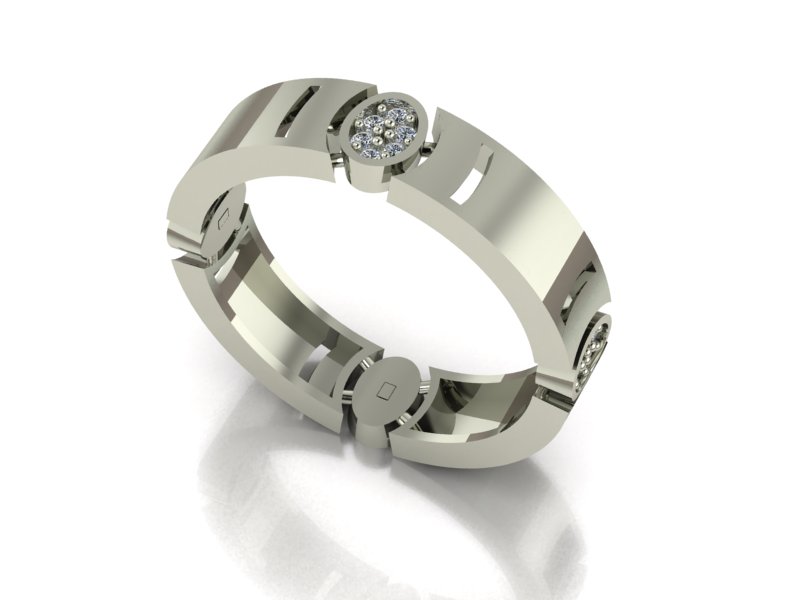
Quiet luxury jewelry’s approach to gemstones is fundamentally different from fashion jewelry’s. Where trends prioritize novelty—unusual cuts, trendy shapes, maximal carats—quiet luxury prioritizes quality, proportion, and timelessness.
Diamonds: Colorless, Excellent Cut, Modest Carat Weight
Within quiet luxury, diamonds follow strict parameters. They should be colorless (D-F on the color scale) or near-colorless (G-H), eye-clean clarity (VS2 or better), and excellent cut. The cut matters most—it’s what creates brilliance and fire—yet it’s the specification most often sacrificed in fashion jewelry to achieve larger carat weights at lower prices.
Carat weight should be proportionate rather than maximal. A 0.5 carat diamond of exceptional quality looks far more expensive than a 2 carat diamond of mediocre quality. Quiet luxury favors diamonds that appear appropriate for daily wear rather than diamonds that announce their size before anything else. The goal is brilliance and beauty, not carats as status metric.
Settings should showcase the diamond while remaining understated. Classic four or six-prong solitaires, bezel settings, or three-stone designs all work beautifully. Pavé, while potentially acceptable in small doses, can veer into flashy territory if overdone. And avoid trend-driven cuts—cushion, emerald, and round brilliant are timeless; marquise, pear, and princess announce their era too obviously.
Precious Colored Stones: Sapphires, Emeralds, and Rubies in Restraint
Colored gemstones bring personality to quiet luxury jewelry without compromising sophistication. Sapphires in deep navy or cornflower blue offer richness without flashiness. Emeralds with excellent saturation and minimal visible inclusions provide verdant elegance. Rubies in pure red create dramatic impact while remaining classic.
The key is quality over size and restraint in setting. A single exceptional sapphire in a simple bezel or prong setting reads as quiet luxury; multiple colored stones clustered together or arranged in trendy patterns reads as fashion jewelry. Colored stones work beautifully in signature rings, as pendant centerpieces, or as stud earring alternatives—but they should be exceptional quality and classically set.
When to Skip Stones Entirely
Some of the most successful quiet luxury jewelry contains no gemstones at all. A substantial gold chain, a perfectly proportioned hoop, a sculptural cuff or bangle—these pieces derive their luxury from metal quality, craftsmanship, and design rather than stone embellishment. This approach offers advantages: lower price points, easier daily wear (no prong maintenance or stone security concerns), and often a more contemporary aesthetic while remaining timeless.
Gold-only jewelry also sends a particular message: that you’re confident enough in your taste to let materials and design speak for themselves, that you don’t need sparkle to announce luxury, that you understand subtlety as the ultimate sophistication.
Pearls: The Quiet Luxury Jewel Par Excellence
If any gemstone embodies quiet luxury, it’s pearls. Particularly Akoya (classic, luminous, perfect for studs), South Sea (large, lustrous, dramatic without being flashy), and Tahitian (dark, mysterious, unexpectedly contemporary). Pearls signal old-world elegance and generational wealth—they’re the jewel of inherited jewelry boxes, of European aristocracy, of women who’ve never needed to prove anything.
Quality markers for pearls are subtle but critical: luster (the surface shine and depth of reflection), surface quality (minimal blemishes), shape (round or near-round for classic applications), and size (matched sets where every pearl is within 0.5mm of the others). Cheap pearls look chalky and dull; exceptional pearls seem to glow from within.
Pearl studs work in virtually every context—boardroom, black-tie, weekend brunch. Pearl strands (16-18 inches for classic proportions) create instant sophistication. And Tahitian pearl jewelry offers a contemporary edge while maintaining pearl’s inherent elegance. Within quiet luxury, pearls are never costume, never faux—they’re always genuine, always exceptional quality, always treated as the heirloom pieces they’re meant to become.
-
Asscher Cut Ring 18K Rose Gold- 0.20ct
18K Rose Gold
£4,025 Select options This product has multiple variants. The options may be chosen on the product page -
Cross Link Necklace – Sterling Silver
Sterling Silver
£737 Select options This product has multiple variants. The options may be chosen on the product page -
Empire Earring – 18K Sterling Silver
Sterling Silver
£434 Add to cart
Caring for Your Quiet Luxury Jewelry Investment: Storage, Maintenance, and Long-Term Value Protection

Quiet luxury jewelry requires proper care not because it’s fragile—quality pieces are remarkably durable—but because these are investment pieces designed to last generations.
Daily Care Practices
Remove jewelry before showering, swimming, or applying beauty products. Lotions, perfumes, hairspray, and chlorine can damage metals and gemstones over time. Put your jewelry on last when getting dressed, after all cosmetics and fragrances. Remove it first when undressing, before washing your face or applying night creams.
For pieces worn daily, develop a consistent storage routine. Your everyday chain, studs, and rings should have dedicated spots where you place them every night—a jewelry dish, a specific drawer compartment, or a small velvet-lined box. This prevents loss, reduces wear from pieces rubbing together, and creates a ritual that reinforces the jewelry’s significance.
Professional Maintenance
Have your quiet luxury jewelry professionally cleaned and inspected annually. Jewelers can identify loose prongs, worn clasps, or developing issues before they result in lost stones or damaged pieces. Professional ultrasonic cleaning removes built-up oils and debris that home cleaning cannot address.
For gold jewelry, professional polishing every few years maintains high-polish finishes and removes minor scratches. However, many people prefer to let gold develop natural patina—a subtle softening of the surface that adds character and signals the piece’s history. This is entirely personal preference.
Pearls require gentle care: wipe them with a soft, damp cloth after wearing to remove body oils. Never use ultrasonic cleaners or harsh chemicals. Store them separately from harder gemstones that could scratch their surface.
How Quiet Luxury Jewelry Ages
One of quiet luxury jewelry’s most appealing attributes is how it improves with age. High-quality gold develops subtle patina and warmth. Well-made pieces acquire the physical memory of wear—a signet ring’s surface smoothed by decades on your finger, a chain’s links softened by constant movement against skin. These signs of wear are features, not flaws. They’re proof of genuine use, markers of time passed, evidence of lives fully lived.
This is the fundamental difference between quiet luxury jewelry and fashion jewelry: fashion pieces deteriorate; quiet luxury pieces mature. They become more themselves, more meaningful, more beautiful. And eventually, they become heirlooms—objects that carry not just monetary value but emotional and historical significance, jewelry that tells stories about the people who wore them and the lives they witnessed.
Beyond the Jewelry Box: Quiet Luxury as Lifestyle Philosophy
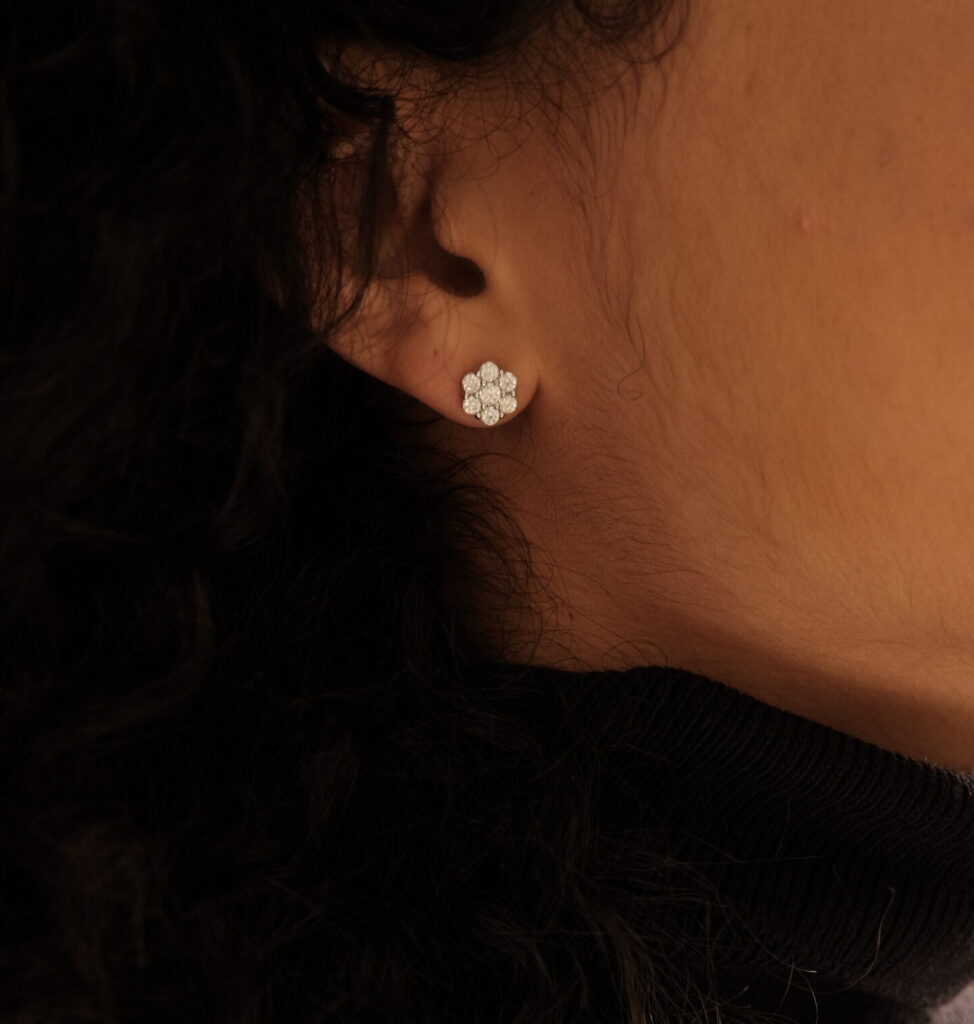
Quiet luxury jewelry doesn’t exist in isolation. It’s part of a broader approach to consumption, aesthetics, and self-presentation that extends far beyond what you wear.
The Quiet Luxury Wardrobe Connection
Quiet luxury jewelry pairs naturally with clothing that follows similar principles: exceptional materials, impeccable construction, timeless silhouettes, minimal branding. Think Loro Piana cashmere, The Row tailoring, Brunello Cucinelli knitwear, Lemaire shirting. The goal is pieces that work together effortlessly because they share an underlying philosophy of quality over quantity, longevity over trends, subtlety over announcement.
This doesn’t mean uniform or boring. It means each element is considered, purposeful, and excellent within its category. Your jewelry shouldn’t compete with your clothing any more than your handbag should compete with your shoes. Everything should exist in complementary harmony.
The Generational Perspective
Quiet luxury jewelry means different things across generations. Boomers often inherited the philosophy from their parents—jewelry as investment, heirloom, and marker of life milestones. Gen X refined it into an aesthetic rebellion against the maximalism and nouveau riche displays of the 1980s. Millennials rediscovered it as reaction to fast fashion’s environmental and ethical costs, seeking jewelry that aligns with sustainability values. Gen Z approaches it more pragmatically, recognizing that renting luxury or buying vintage offers the aesthetics without the price tag—though they’re also beginning to understand investment pieces as genuine financial strategy.
These generational approaches aren’t contradictory—they’re complementary perspectives on the same fundamental truth: well-made jewelry, worn consistently, becomes more valuable over time in every sense.
Global Interpretations
European quiet luxury tends toward heritage brands, family heirlooms, and pieces worn for decades without thought. American quiet luxury often involves more conscious curation—building collections deliberately, researching quality markers, approaching jewelry as investment strategy. Asian markets increasingly embrace quiet luxury as alternative to logo-heavy luxury that dominated the early 2000s, with particular appreciation for Japanese and Scandinavian design minimalism.
These cultural differences create varied expressions of the same core principles. A Parisian might wear her grandmother’s gold chain daily without considering it “quiet luxury”—it’s simply her chain. An American building a quiet luxury collection might research for months before purchasing that same style chain. Both approaches are valid; both achieve the same result.
The Instagram Paradox
Quiet luxury jewelry photographs beautifully, but it doesn’t dominate social media in the way logo-heavy or statement pieces do. It’s jewelry for real life rather than content creation, pieces chosen for daily satisfaction rather than likes and engagement. This creates an interesting dynamic: quiet luxury jewelry signals taste to the people who encounter you in person while largely flying under the radar digitally.
For people exhausted by social media’s performative aspects, this is liberating. Your jewelry can exist for you—for the pleasure of wearing beautiful things, for the satisfaction of quality, for the long-term value. It doesn’t need to be hashtagged, styled for the grid, or validated by strangers.
-
Baguette Eternity Band Ring 0.77ct – Platinum
Platinum 950
£2,732 Select options This product has multiple variants. The options may be chosen on the product page -
Ball Torque Bracelet 0.12ct – Platinum
Platinum 950
£4,428 Select options This product has multiple variants. The options may be chosen on the product page -
Loop Earrings – 18K Rose Gold- 1.026ct
18K Rose Gold
£4,960 Select options This product has multiple variants. The options may be chosen on the product page
Conclusion: Quiet Luxury Jewelry as the Ultimate Expression of Sophisticated Restraint
Quiet luxury jewelry represents a fundamental recalibration of what luxury means in 2026. It rejects the idea that wealth must announce itself through logos, that sophistication requires statement pieces, that luxury means accumulation rather than curation. Instead, it embraces a more nuanced philosophy: that true luxury whispers, that quality speaks for itself, that the most expensive-looking jewelry is often the most understated.
This is jewelry chosen not to impress strangers but to satisfy yourself. Pieces selected not because they’re trending but because they’re timeless. Collections built not through impulse purchases but through deliberate investment. The goal isn’t to communicate “I’m wealthy” through obvious signals. It’s to embody taste, discernment, and confidence so thoroughly that wealth becomes almost incidental—the natural result of making excellent choices consistently over time.
What makes quiet luxury jewelry the anti-trend trend is precisely its refusal to participate in trend cycles. These pieces don’t launch in seasonal collections or appear in influencer unboxing videos. They’re not marketed through aggressive advertising or celebrity partnerships. Instead, they exist in a space that predates and will outlast contemporary luxury marketing—the space of genuine quality, of objects made to endure, of jewelry as heirloom rather than accessory.
The beauty of mastering quiet luxury jewelry is how it transforms everything else in your wardrobe. That simple white t-shirt and jeans suddenly looks intentional rather than lazy. Your professional attire radiates authority without trying. Even your most casual weekend outfit feels considered and complete. This is the power of excellent jewelry worn with confidence: it elevates everything it touches while demanding nothing in return.
Perhaps most significantly, quiet luxury jewelry offers a sustainable alternative to the consumption treadmill that characterizes so much of contemporary fashion. When you invest in pieces designed to last generations, when you choose quality over quantity, when you build a collection thoughtfully rather than impulsively, you exit the cycle of constant purchasing and disposal. Your jewelry becomes part of your life story rather than a series of forgotten purchases. And eventually, it becomes part of someone else’s story—a granddaughter wearing your chain, a daughter inheriting your pearls, pieces that carry meaning far beyond their material value.
This is what quiet luxury jewelry ultimately offers: not just beautiful objects, but a different relationship with consumption itself. One where what you choose not to buy matters as much as what you do buy. Where empty announcements give way to quiet confidence. Where luxury needs no introduction because it simply, undeniably, is.
In 2026 and beyond, this is the jewelry language that sophisticated people speak. Not through what they wear, but through how they wear it. Not through obvious signals, but through subtle mastery. Not through performing wealth, but through embodying taste. And once you understand this language, you’ll never look at jewelry—or luxury itself—the same way again.